


Blog

GMC Sierra HD Review for North Alabama Work

GMC Sierra HD Review for North Alabama Work

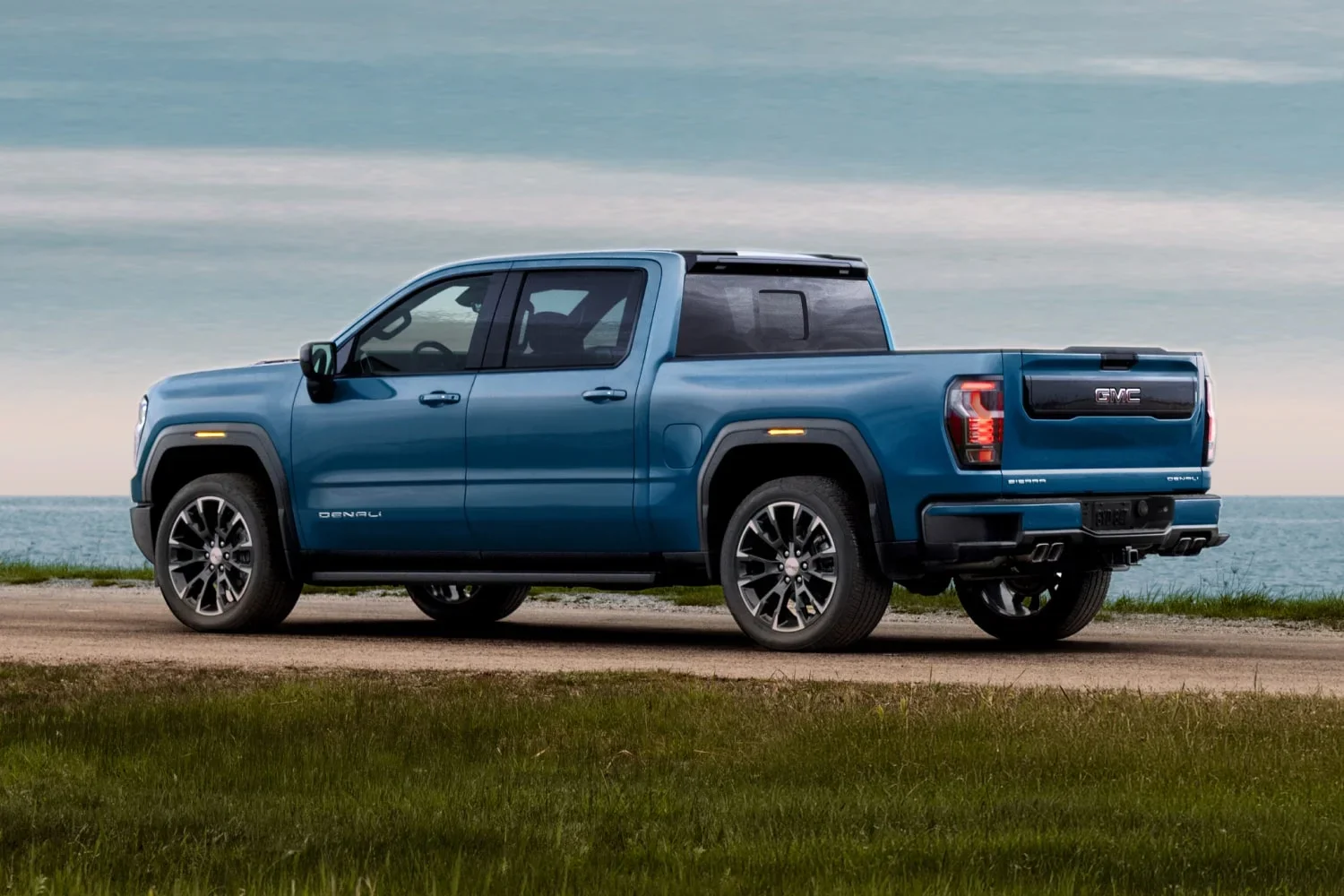
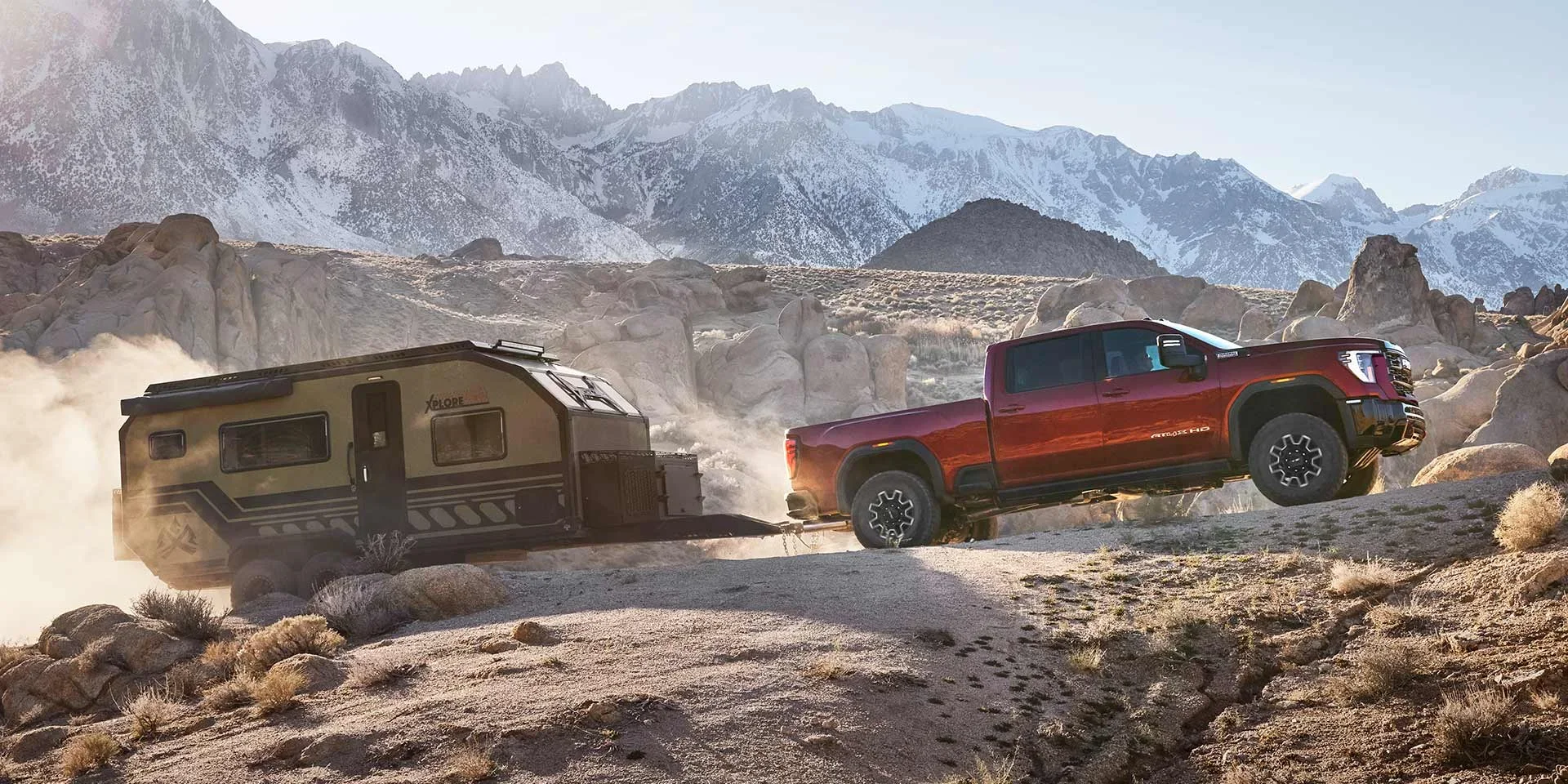
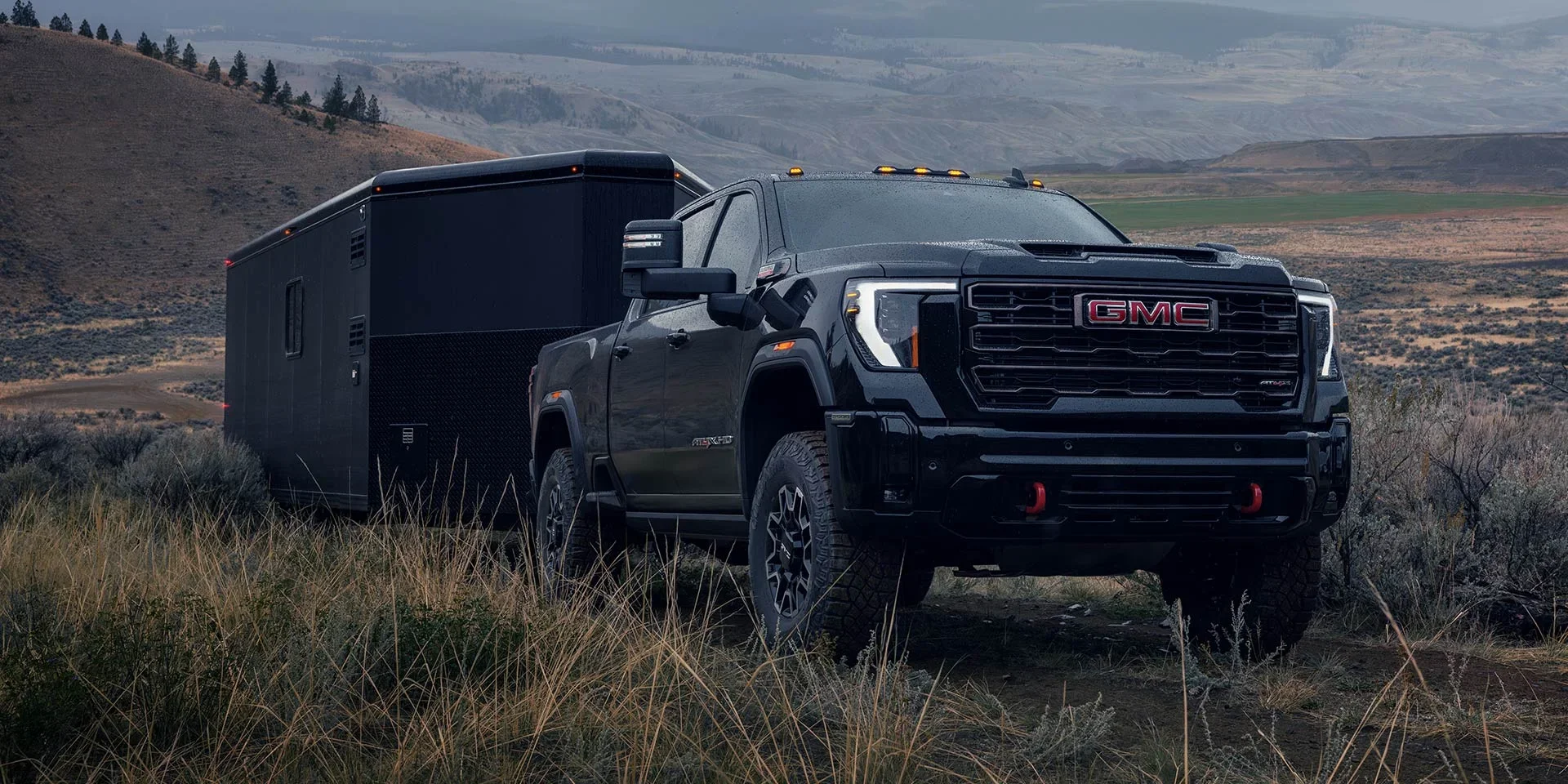
A heavy-duty truck earns its keep long before it reaches a jobsite. It has to feel composed pulling equipment through North Alabama hills, stay useful with a loaded bed, and remain comfortable on the drive home. This GMC Sierra HD review looks at what makes the Sierra 2500 HD and Sierra 3500 HD compelling choices for drivers who need more than an everyday pickup. The short version: the Sierra HD is a serious work truck with an unusually polished cabin and available towing technology that can take some strain out of a long day. Still, its size, ride, and capability can be more truck than some buyers need. Choosing the right model matters just as much as choosing the truck itself. GMC Sierra HD Review: What It Does Best The Sierra HD lineup is built around two jobs: carrying substantial weight and pulling substantial weight with confidence. The Sierra 2500 HD is the better fit for many owners who tow a camper, livestock trailer, equipment trailer, or larger boat regularly. The Sierra 3500 HD steps in when maximum payload and towing capability are the priority, especially when paired with a dual-rear-wheel setup. Available maximum towing reaches up to 36,000 pounds when properly equipped on select Sierra 3500 HD configurations. That headline number deserves context. Actual towing capacity changes based on the cab, bed length, drivetrain, axle ratio, hitch equipment, passenger load, and the truck's specific configuration. Before selecting a truck for a gooseneck trailer or a business trailer, it is wise to match the trailer's loaded weight to the truck's door-jamb and towing labels rather than relying on a maximum figure. GMC gives buyers two 6.6-liter V8 engine choices. The gas V8 makes 401 horsepower and 464 lb-ft of torque, while the available Duramax turbo-diesel V8 produces 470 horsepower and 975 lb-ft of torque. Both use a 10-speed automatic transmission. The gas engine makes sense for drivers who need heavy-duty strength but do not tow at the upper edge of the truck's capability every week. It is straightforward, strong, and well suited to many personal-use and fleet needs. The Duramax diesel is the natural choice for frequent long-distance towing, steep grades, and big trailers. Its deep torque arrives where a loaded truck needs it most, making acceleration and hill climbs feel less labored. A Work Truck That Does Not Feel Bare-Bones Capability is only half of the Sierra HD's appeal. GMC has made the cabin a genuine strength, particularly in the midlevel and upper trims. Available features include a large 13.4-inch center touchscreen, a 12.3-inch configurable driver display, Google built-in compatibility, wireless smartphone integration, and available premium audio. That does not mean every Sierra HD is dressed like a luxury truck. The lineup still offers practical configurations for buyers who prioritize easy-clean materials, straightforward controls, and room for tools over extra trim. But even the more work-focused versions benefit from clear controls, useful storage, and the upright seating position heavy-duty truck owners tend to appreciate. For families around Huntsville, Madison, and Decatur, the crew cab is usually the easy recommendation. It gives rear passengers meaningful legroom and makes the truck more realistic as a weekday family vehicle. Regular and double cab options can better suit buyers who need a long bed or who spend more time hauling gear than carrying a full crew. The available six-seat front bench is worth considering for work crews, while bucket seats and a center console may better fit owners who want a more personal-truck feel. Small choices like these affect daily usefulness more than many shoppers expect. Bed Features That Help at the End of the Day A heavy-duty pickup should not make loading and securing cargo harder than it needs to be. Sierra HD models offer useful bed features, including available LED lighting, multiple tie-down points, available 120-volt outlets, and the MultiPro tailgate. The MultiPro design can function in several ways, including as a load stop and a step, which is especially handy when climbing in and out of the bed repeatedly. Bed length is another consideration. The standard bed is easier to park, while the available 8-foot long bed gives crews more room for longer materials. The best option depends on what gets thrown, slid, or loaded into the bed each week. Towing Technology Is a Real Advantage The Sierra HD's available camera and trailering systems are more than showpieces. They can make hitching, lane changes, tight turns, and backing a trailer less stressful. Available views can include a transparent trailer view, bed view, hitch view, and rear trailer view, depending on equipment. For drivers who have ever tried to line up a gooseneck hitch alone at the end of a long day, that practical help matters. The truck can also support trailer profiles and maintenance reminders, helping owners keep details organized when they regularly pull more than one trailer. These features do not replace careful loading, safe driving habits, or a proper walk-around before leaving. They do make the routine parts of towing easier to manage. A Sierra HD equipped for towing also benefits from integrated trailer brake control and available exhaust braking on diesel models. When descending a grade with a loaded trailer, those systems can help reduce reliance on the service brakes and give the driver better control. Ride, Handling, and the Trade-Offs No honest GMC Sierra HD review should pretend this truck drives like a midsize SUV. It is wide, tall, and built on a heavy-duty frame. Parking in older shopping centers, navigating crowded school pickup lines, and making a tight turn around equipment all require more attention than they would in a Sierra 1500 or Canyon. Unloaded ride quality can also feel firm, particularly with a 3500 HD or a dual-rear-wheel model. That is the trade-off for springs and chassis components designed to manage real weight. The Sierra HD settles down nicely with a trailer or payload, but buyers who rarely carry or tow heavy loads may be happier with a half-ton pickup. The 2500 HD often lands in the sweet spot. It offers substantial capability while remaining somewhat easier to live with day to day. The 3500 HD is the right answer when payload ratings, fifth-wheel towing, or commercial demands require it. If the truck's job involves frequent heavy hauling, buying too little truck can become frustrating quickly. If it mostly handles commuting and occasional home projects, buying too much truck can be just as unnecessary. Which Sierra HD Trim Fits Your Needs? The Sierra HD trim range lets shoppers set priorities without giving up the basics of heavy-duty capability. Pro and SLE models are well suited to buyers who value a durable, practical setup. SLT adds more comfort and convenience for owners who split time between jobsites and family travel. AT4 brings an off-road-focused personality, with features intended for rougher roads and outdoor use. Denali and Denali Ultimate are for drivers who want a heavy-duty truck with premium materials, advanced technology, and long-haul comfort. A higher trim does not add towing skill by itself, though. Configuration, engine choice, axle setup, and hitch equipment remain the big factors. For many North Alabama buyers, it helps to begin with the trailer or payload requirement, then choose the cab, bed, powertrain, and trim. Starting with a favorite interior color or a long wish list can lead to a truck that looks right but is not configured for the job. Is the GMC Sierra HD Right for You? The Sierra HD is a strong choice for owners who tow often, run a small business, maintain land, haul equipment, or want a truck ready for a larger camper or fifth-wheel. It combines serious mechanical capability with the kind of cabin comfort that makes long drives more pleasant. It may not be the best match for someone whose heaviest task is a utility trailer a few weekends each year. In that case, a Sierra 1500 may deliver an easier daily driving experience while still providing plenty of strength. Buyers choosing between new and used trucks should also consider how the truck was previously used, whether it was maintained consistently, and whether its configuration matches their current needs rather than its former owner's. The right heavy-duty truck should feel like a dependable tool, not a compromise you have to explain away. When you are ready, compare Sierra HD configurations in person, bring along your trailer details, and ask about financing options that fit your plans. And after the truck goes home, keep its towing equipment, brakes, fluids, and tires on schedule with factory-trained service built around the simple promise that if you break it, we fix it. Frequently Asked Questions Do I need a diesel Sierra HD to tow a camper around North Alabama? Not always. The gas V8 suits many owners who tow a camper a handful of times each year. The Duramax diesel makes more sense for frequent long trips, heavy fifth wheel trailers, and steep grades. Start with the loaded weight of your camper and how often you tow, then let the Bentley Buick GMC team match the powertrain to that job. What does a diesel Sierra HD need that a gas truck does not? A Duramax diesel uses diesel exhaust fluid, which needs to be refilled periodically, and it has its own fuel filter and emissions system service items. The owner's manual and the truck's maintenance reminders list what is needed and when. Factory-trained technicians can handle that care so the truck stays ready for heavy work. Should I choose four-wheel drive on a Sierra HD for boat ramps and farm roads? For many North Alabama owners, yes. Four-wheel drive helps on wet boat ramps, muddy pastures, gravel roads, and the occasional icy morning. It also adds weight and cost, so a two-wheel drive truck can make sense if your work stays on pavement. Think about the worst surface you regularly pull a trailer across. How should I prepare a heavy-duty truck for towing in summer heat? Check tire pressure on the truck and trailer while the tires are cold, inspect the hitch and safety chains, and confirm the trailer lights and brakes work. Keep coolant, transmission, and brake service current. On long summer runs, watch the gauges and plan breaks. These habits help a Sierra HD handle heavy loads in Alabama heat.

Read More
Encore GX vs HR-V: Which Small SUV Fits?

Encore GX vs HR-V: Which Small SUV Fits?

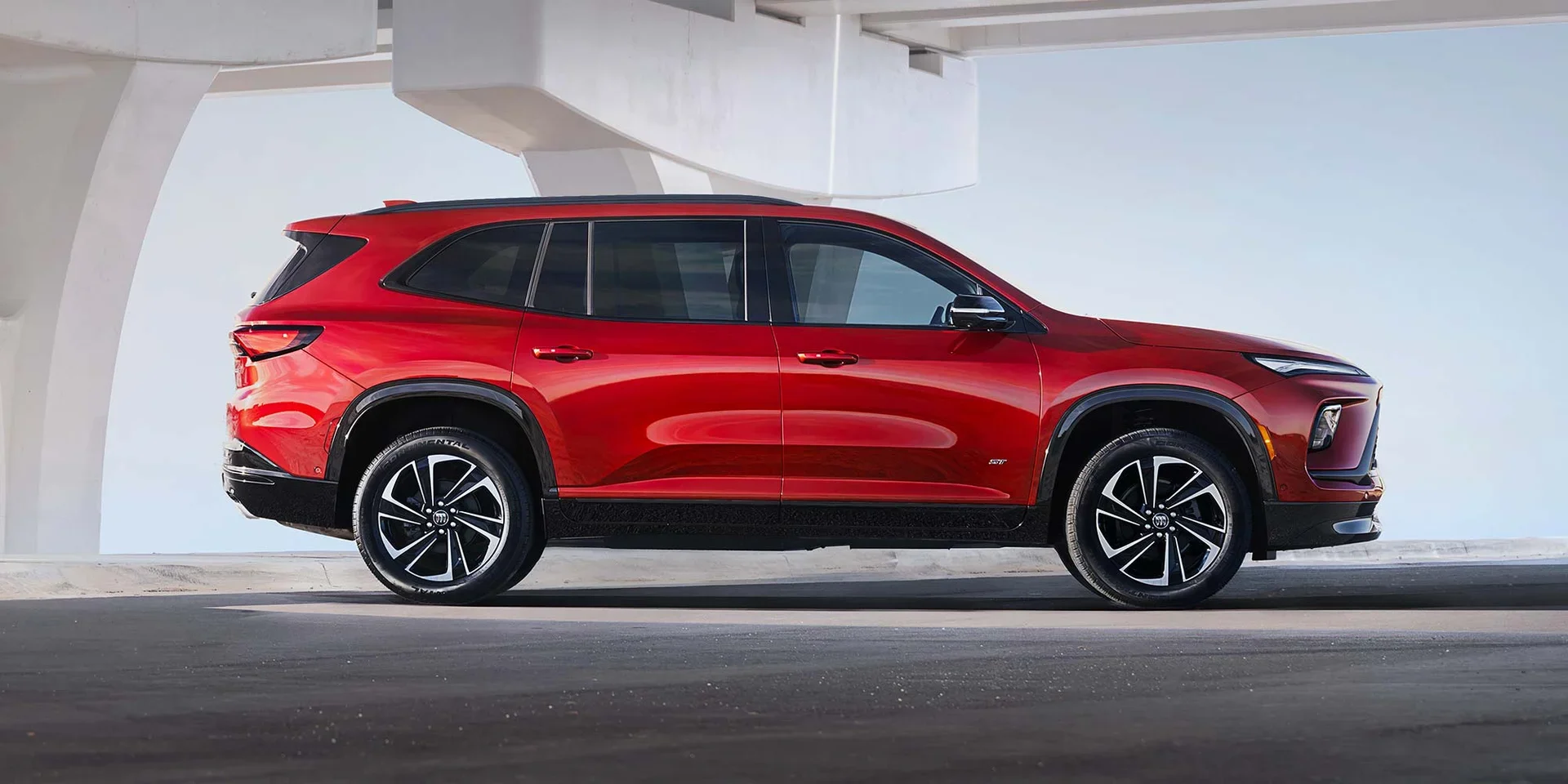
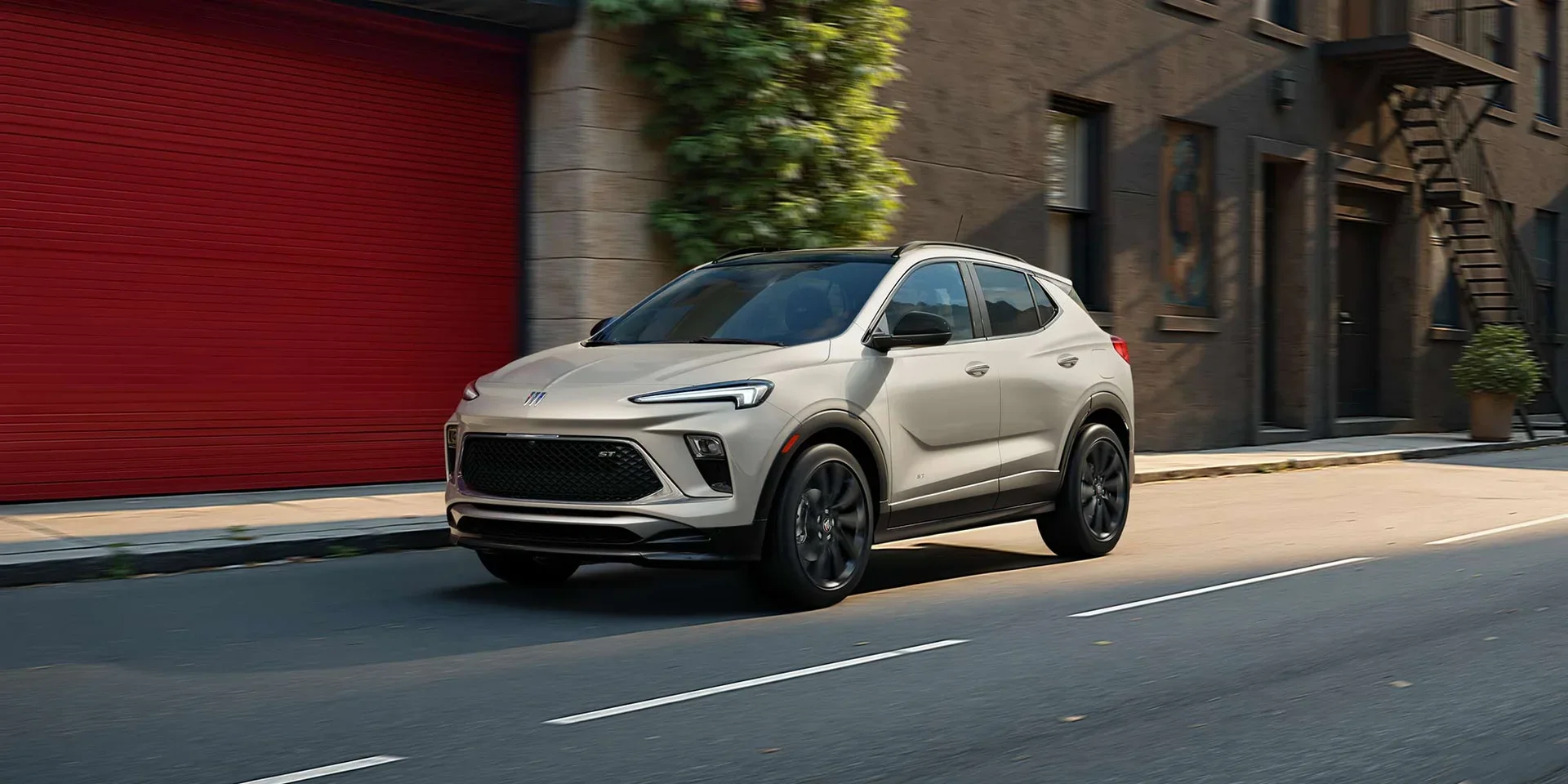
A small SUV has to do more than look good in the driveway. It needs to handle the school run, grocery trips, a commute into Huntsville, and the occasional weekend loaded with bags, ball gear, or camping supplies. In an Encore GX vs HR-V comparison, the Buick brings a more premium, flexible feel, while the Honda leans into straightforward room and efficiency. Both are sensible choices for drivers who want an easy-to-park crossover without moving up to a larger SUV. The better fit comes down to what you value most: turbocharged power and upscale details, or a simple naturally aspirated engine and a little more maximum cargo space. Encore GX vs HR-V at a Glance The Buick Encore GX and Honda HR-V are both five-passenger subcompact SUVs, but they go about the job differently. The Encore GX has a slightly more polished personality, with a quiet cabin, crisp exterior styling, and all-wheel drive available on every trim. The HR-V has a clean, practical layout and puts a strong emphasis on interior room. For many North Alabama households, either one can be a good step up from a sedan. They offer a higher seating position, useful cargo capacity, and driver-assistance technology that makes busy roads and crowded parking lots less stressful. Quick comparison The Encore GX uses a turbocharged 1.3-liter three-cylinder engine that produces 155 horsepower. The HR-V uses one 2.0-liter four-cylinder engine rated at 158 horsepower. Those horsepower figures are close, but they do not tell the entire story. The Encore GX's turbocharged 1.3-liter engine makes strong low-end torque for merging onto I-565 or getting moving with passengers aboard. The HR-V delivers power in a more conventional, steady way. Neither is meant to feel like a performance SUV, but the Buick can feel more eager in everyday driving. Ride, Handling, and All-Weather Confidence The HR-V is a composed, comfortable commuter. Its steering is predictable, and its ride works well for drivers who prefer a calm, uncomplicated feel. Front-wheel drive is standard, with all-wheel drive available for shoppers who want added traction during heavy rain or the occasional winter weather event. The Encore GX also comes standard with front-wheel drive, and all-wheel drive is available on every trim. Its compact footprint makes it especially easy to place in tight spaces, whether you are parking near downtown Huntsville or maneuvering through a packed school pickup line. Buick also puts extra attention into cabin quietness, which can make a noticeable difference on longer drives to Decatur, Athens, or beyond. Fuel economy is competitive in both models. Front-wheel-drive HR-V models are rated up to 26 mpg city and 32 mpg highway. Encore GX ratings vary by engine and drivetrain, with front-wheel-drive versions reaching up to an EPA-estimated 29 mpg city and 31 mpg highway. Actual mileage depends on your driving habits, terrain, traffic, and how often the vehicle is carrying a full load. Interior Space: Practical Room vs Premium Feel The Honda HR-V has an advantage in maximum cargo capacity. With the rear seats folded, it provides up to 55.1 cubic feet of cargo space in front-wheel-drive form. That extra room may matter for families who regularly haul bulky items, sports equipment, or larger weekend purchases. The Encore GX offers up to 50.2 cubic feet of cargo space with its rear seats folded. That is still plenty for daily family use, and Buick makes the area flexible with 40/60 split-folding rear seats and an available flat-folding front passenger seat. The latter can be especially handy when carrying longer items that would not normally fit in a small SUV. Where the Buick often stands out is its cabin atmosphere. Available features such as leather-appointed seating, a panoramic moonroof, heated front seats, a heated steering wheel, and an available power liftgate give the Encore GX a more refined feel. The HR-V is well organized and comfortable, but its interior approach is more function-first than upscale. That difference is worth experiencing in person. A shopper who mainly wants maximum room may favor the HR-V. Someone who spends a lot of time commuting or wants their everyday vehicle to feel a little more special may prefer the Encore GX. Technology and Safety Features Both SUVs offer the core technology most drivers expect. Apple CarPlay and Android Auto capability, touchscreen infotainment, Bluetooth connectivity, and multiple USB ports help keep phones, navigation, and playlists within reach. The Encore GX comes with an 11-inch diagonal infotainment display, a larger screen that is helpful when using navigation or managing music and calls. Available features also include wireless phone charging, a Wi-Fi hotspot, and a premium Bose audio system on select configurations. Honda includes its Honda Sensing suite of driver-assistance features across the HR-V lineup. Depending on the system and conditions, it can provide features such as collision mitigation braking, road departure mitigation, adaptive cruise control, and lane keeping assistance. The Encore GX includes Buick Driver Confidence as standard, with features such as automatic emergency braking, forward collision alert, front pedestrian braking, lane keep assist with lane departure warning, and IntelliBeam automatic high beams. Available upgrades can add items such as adaptive cruise control, rear cross traffic alert, and a surround-view camera system. These systems are there to support an attentive driver, not replace one. Still, they can add welcome peace of mind when traffic gets busy around Huntsville or when a new driver is behind the wheel. Which SUV Is Better for Your Needs? Choose the Buick Encore GX if you want a small SUV that feels more upscale without becoming overly complicated. Its turbocharged engine provides a more responsive character, and its available comfort features make it appealing for commuters, couples, and small families who appreciate a quieter cabin. The flexible front passenger seat is also a real advantage for occasional longer cargo. Choose the Honda HR-V if your top priority is the most cargo room possible in this size class. Its simple powertrain, spacious layout, and balanced ride make it a practical choice for drivers who want a straightforward daily vehicle. There is no wrong answer between these two. A family in Meridianville may find the HR-V's cargo room useful for a busy schedule, while a driver commuting from Madison may appreciate the Encore GX's available heated seating, quiet ride, and confident turbocharged response. Your usual passengers, cargo, and driving routes matter more than a spec sheet alone. See How the Encore GX Feels Before You Decide Numbers are useful, but a test drive answers the questions that matter most: Is the driver's seat comfortable? Can the cargo area handle your routine? Does the vehicle feel right on the road? Take time to sit in both rows, fold the seats, and bring along a car seat or cargo item if that is part of your regular life. At Bentley Buick GMC, our family has served North Alabama drivers for generations with the same approach we would want for our own family: respect, honesty, and care. When you are ready, browse current new and used vehicle options, explore financing choices, or stop by for a relaxed Encore GX test drive and a conversation about what fits your life best. Frequently Asked Questions Is all-wheel drive worth it on a Buick Encore GX in North Alabama? It depends on your roads. Front-wheel drive handles most daily driving around Huntsville and Madison. All-wheel drive adds traction during heavy rain, on gravel or hilly driveways, and on the occasional icy morning. It is available on every current Encore GX trim, so you can choose it without giving up the features you want. Is the Encore GX a good commuter car for Redstone Arsenal or Research Park? For many commuters, yes. Its compact size makes parking easy, its cabin is designed to stay quiet, and its driver assistance features help in busy traffic on I-565 and Memorial Parkway. Available heated seats and a heated steering wheel help on cold mornings, and air conditioning that keeps up is essential in an Alabama summer. Does a turbocharged three-cylinder engine need special maintenance? It needs the same basics as any engine, done on time. Follow the oil life monitor, use the oil specification Buick lists in the owner's manual, and keep up with air filter and cooling system checks. Timely oil changes matter for turbocharged engines, especially through hot North Alabama summers and short trips around town. How can I compare Encore GX trims before visiting Bentley Buick GMC? Start by listing the features you care about, such as all-wheel drive, heated seats, a power liftgate, or the larger available display. Then browse the Encore GX models in stock and note which ones match. When you visit, sit in each trim you are considering, fold the seats, and drive the engine you plan to buy.
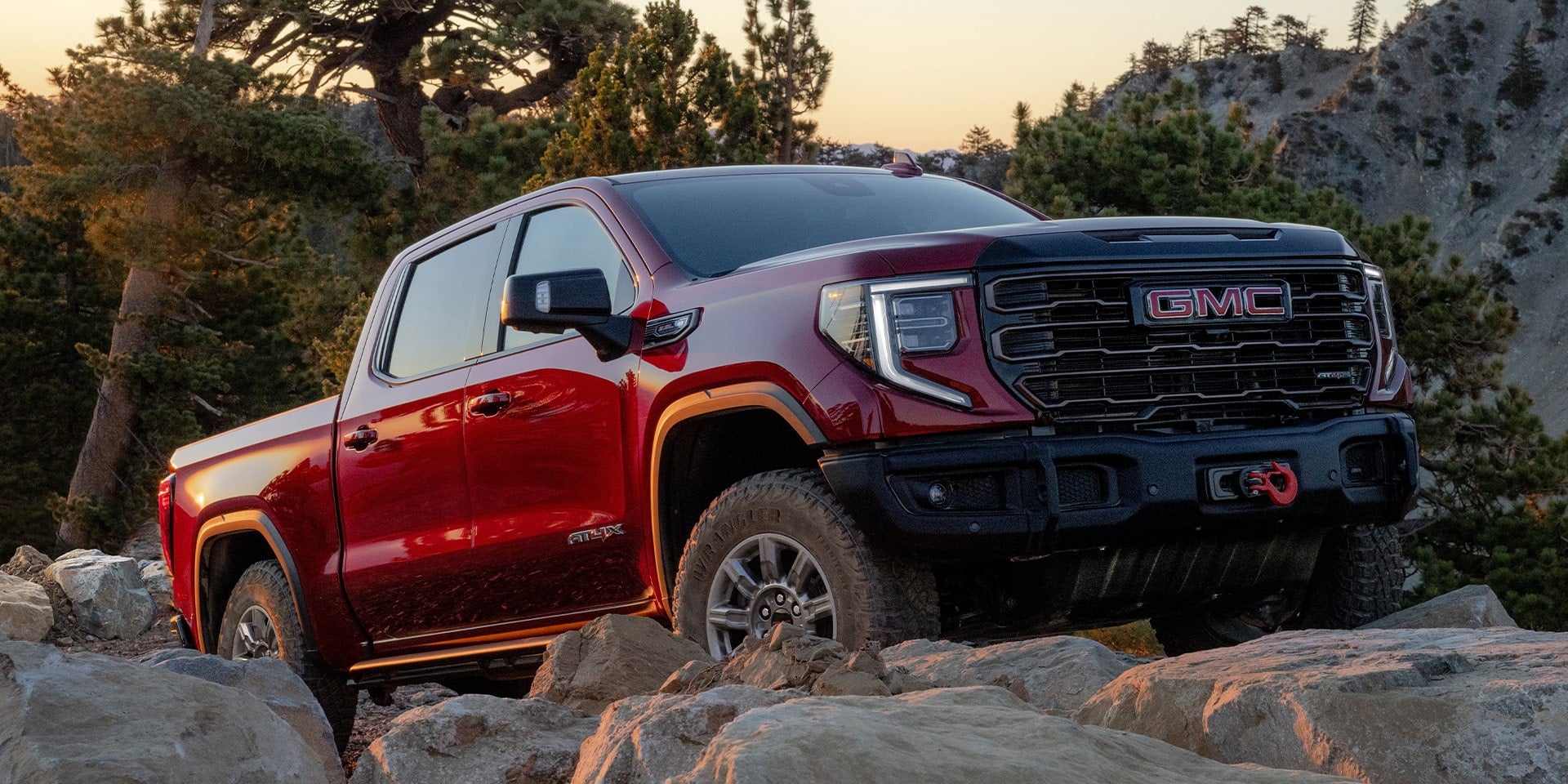
Red current generation GMC Sierra 1500 AT4X climbing a rocky trail at sunset

2027 GMC Sierra 1500: Full Specs of the Next Generation Truck for Huntsville Drivers

By Bentley Buick GMC Team · Published October 30, 2026 GMC has released the full specifications for the next-generation 2027 GMC Sierra 1500, and truck shoppers in Huntsville now have real details to plan around. The redesigned pickup brings new sixth-generation V8 engines, an enhanced TurboMax engine, the Duramax diesel and a new touchscreen system across six trims. GMC says the first trucks are expected to arrive at its dealerships before the end of the 2026 calendar year, so this is a good time to learn what is changing. 2027 GMC Sierra 1500: What GMC Announced GMC shared the news in a release titled GMC Announces Full Specifications for the Next-Generation 2027 Sierra 1500, ahead of the truck's launch later this year. According to GMC, the new Sierra 1500 introduces a bold new exterior design, new interiors, available all-new sixth-generation 5.7L and 6.6L Small Block V8 engines, an enhanced TurboMax engine, the Duramax 3.0L Turbo-Diesel and GM's new native user interface. The look changes first. GMC describes a more upright exterior with a more vertical grille and a new take on its signature lighting, plus available welcome and farewell light animations and available quad exhaust outlets. Inside, every trim gets a redesigned cabin with exclusive colorways, premium seating and expanded functionality. GMC lists several cabin features that depend on the trim. Available features include real wood trim, forged wood on the Denali Ultimate, carbon fiber on the AT4X, dynamic ambient lighting and a panoramic sunroof. An all-new MultiPro center console combines extra storage with an extended work surface, which is handy if your truck doubles as a mobile office. The timing is the most important part for shoppers. GMC says the first 2027 Sierra 1500 models are expected to arrive at GMC dealerships before the end of the 2026 calendar year. It also says Regular Cab, Double Cab and additional configuration availability will be announced as production expands. So the truck is a reveal of specifications, not a sign that one is on the lot today. If you want to know when one reaches Bentley Buick GMC, contact our team and ask to be kept in the loop. Four Engines and One 10-Speed Automatic The 2027 Sierra 1500 offers four engines, all paired with a 10-speed automatic transmission. Here is how GMC lists them. Engine Power Torque Enhanced TurboMax 350 horsepower 455 lb.-ft. New 5.7L Small Block V8 402 horsepower 428 lb.-ft. New 6.6L Small Block V8 481 horsepower 501 lb.-ft. Duramax 3.0L Turbo-Diesel 305 horsepower 495 lb.-ft. If horsepower and torque numbers feel abstract, here is a simple way to read them. Horsepower describes how quickly an engine can do work, which shows up when you merge onto the highway or pass a slower vehicle. Torque is the twisting force that gets a heavy load moving, which matters when you tow or haul. The right engine is the one that matches how you use the truck most days, not the one with the biggest number. Enhanced TurboMax The enhanced TurboMax is standard on the Pro and Elevation trims. GMC says the enhanced version adds 40 horsepower and 25 lb.-ft. compared with the current engine. Updates include a new turbocharger, upgraded fuel injection, improved active thermal management and redesigned pistons. For daily driving around Madison or Hazel Green, this is the engine many commuters will look at first. The 5.7L V8 The new 5.7L Small Block V8 is standard on the AT4 and Denali, and it is available on the Pro and Elevation. GMC pairs it with up to 13,500 pounds of maximum available trailering capability when properly equipped. GMC also reminds shoppers that maximum trailering ratings are for comparison, and the capacity of a specific truck changes with passengers, cargo, options and accessories. Check the owner's manual before you tow. The 6.6L V8 The new 6.6L Small Block V8 is standard on the Denali Ultimate and available on the AT4X and Denali. GMC says both new V8 engines have higher compression ratios, larger throttle bodies, tuned intake manifolds and a dual-fuel injection system that combines direct and port injection. Duramax 3.0L Turbo-Diesel The diesel is standard on the AT4X and available on several other trims. GMC says that when it is paired with the available 34-gallon fuel tank (approx.), it offers more than 900 miles of available GM-estimated highway range. GMC notes that official EPA estimates are not yet available and that the figure is based on GM testing, so treat it as an early estimate. A new 34-gallon fuel tank is also available with the V8 engines. Six Trims for Different Kinds of Truck Buyers GMC lists six trims, each with a distinct Professional Grade purpose. Here is a plain look at each one, with a note on who it may suit. Pro The Pro is the work-focused entry point. Standard highlights include the Enhanced TurboMax engine, a trailer hitch and trailer brake controller, a 16.3-inch diagonal center infotainment screen and a 12.2-inch diagonal Driver Information Center. It is a good fit for crews and business owners who want a capable truck without extras, such as a contractor working near Harvest or New Market. Elevation The Elevation adds style and everyday versatility. GMC lists bucket seats with a dedicated center console, an articulating infotainment screen with hidden storage, the MultiPro Tailgate and a MultiPro center console with a workstation. The 5.7L V8, the Duramax diesel and the Super Cruise package are available. If you want a truck that works during the week and looks sharp on the weekend, this is the trim to compare with the Pro. AT4 The AT4 is the premium off-road trim. It comes standard with the 5.7L V8, a 2-inch factory-installed lift with monotube shocks and 34-inch all-terrain tires. GMC also lists Super Cruise as standard, along with a panoramic sunroof and a Head-Up Display. It suits drivers who spend weekends on gravel roads and forest trails but still want a comfortable daily driver. AT4X The AT4X is the trail-ready Sierra. It adds a standard Duramax diesel, 35-inch MT tires, a 2-inch factory-installed lift with new Multimatic Jounce Control Dampers and both front and rear electronic locking differentials. GMC says a new Baja drive mode is standard and is designed for high-speed off-road desert driving. The AT4X AEV Edition is described as late availability. If you plan to take your truck far off the pavement, this is the trim to read about closely. Denali The Denali focuses on luxury. Standard features include the 5.7L V8, Super Cruise, the signature Denali chrome grille, Denali Premium Suspension, Birch Wood accents and a panoramic sunroof. The 6.6L V8 and the Duramax diesel are available. It fits buyers who want a full-size truck that feels more like a luxury vehicle on long drives through North Alabama. Denali Ultimate The Denali Ultimate is the flagship. It comes with the 6.6L V8 and Super Cruise as standard, along with massaging front seats, a Bose Premium Audio system and an 11.5-inch front passenger screen. GMC says it offers more than 60 inches of combined digital displays. It is the trim for shoppers who want GMC's flagship finishes and technology. Technology, Cameras and Safety on the New Sierra The 2027 Sierra 1500 introduces GM's new user interface, designed to make information easier to find and truck tasks easier to manage. It has a split-view home screen and clear access to navigation, vehicle status, media and trailering. GMC says it integrates Android Auto and Apple CarPlay with native vehicle features, and Google built-in features such as Google Maps, apps on Google Play and over-the-air updates help keep it current. The displays are large. Several trims list a 12.2-inch diagonal Driver Information Center and a 16.3-inch diagonal center screen among their standard highlights. An available 11.5-inch diagonal passenger display gives the person in the front seat their own content. GMC also lists an available camera suite with up to 19 views, including Hitch View, Rear Camera Mirror, Cabin Glance and underbody cameras that have a wash system. Safety also gets attention. GMC says the 2027 Sierra adds 12 new standard safety features, including Intersection Automatic Emergency Braking, Front Pedestrian and Bicyclist Braking, Reverse Automatic Braking, Safety Alert Seat, Rear Cross Traffic Braking and Blind Zone Steering Assist. Super Cruise hands-free driver assistance is standard on the AT4, AT4X, Denali and Denali Ultimate, and available on the Elevation. GMC notes that Super Cruise requires an active service plan or trial, so ask about terms. These features support the driver. They do not replace attention. Towing, Bed and Work Features For many Huntsville buyers, the bed and the hitch matter more than the screen. GMC says the available MultiPro Tailgate has four additional tie-downs and an integrated ruler system, and the Elevation lists a MultiPro Tailgate with 16 total tie-downs. The new MultiPro center console combines storage with an extended work surface. Trailering tools get an upgrade too. GMC lists Hitch View, off-road camera views, mobile trailer-light checks, Tow/Haul driver displays and an in-vehicle Trailering App. It also lists an available Trailer Brake Gain Assistant. If you pull a boat to the lake, a camper on weekends or equipment to a job site in Decatur or Athens, ask our team which features are on the truck you are looking at, because options differ by trim and configuration. Planning Around the 2027 Sierra 1500 in North Alabama A new generation raises practical questions. Here is how to plan. Decide how you use the truck. Work, towing, trails or comfort? The six trims split along those lines. Look at the current Sierra 1500. It lets you try the seating position, bed height and ride while you wait for the new one. Think about your trade-in. If you plan to replace a truck, ask our team to appraise it and talk through timing. Ask about timing. GMC says the first trucks are expected before the end of the 2026 calendar year. Ask us to contact you when one is available. One more tip: write down the features you cannot live without, such as a certain engine, Super Cruise, an underbody camera or a panoramic sunroof. Then compare that list with GMC's trim highlights. Because trims differ in which engines and features are standard or available, a short list keeps you from paying attention to features you will not use. The release also includes pricing for each trim. We leave that out of this guide, so contact our team for current details on any truck. Talk to Bentley Buick GMC About the Sierra 1500 Ready to start the conversation? Browse the new GMC and Buick inventory at Bentley Buick GMC and ask about a Sierra 1500 test drive. If you want a pre-owned option while you wait, check the used inventory too. Tell us how you use a truck, and we will help you compare trims against the 2027 specifications. Bring questions about engines, towing, cab sizes and features, and our team will tell you what GMC has announced and what it has not. Drivers from Huntsville and across the Tennessee Valley can contact us anytime. Choosing a Sierra 1500 Trim With Confidence Start with the job. If the truck is for work, look at the Pro and Elevation. If you want trail ability, look at the AT4 and AT4X. If comfort and technology come first, compare the Denali and the Denali Ultimate. Then match the engine to how you tow and drive. When you are ready to talk about the buying side, you can review financing options before you visit. If you already own a GMC truck, the Bentley Buick GMC service department can keep it ready until the next generation arrives. Frequently Asked Questions When will the 2027 GMC Sierra 1500 arrive? GMC says the first 2027 Sierra 1500 models are expected to arrive at GMC dealerships before the end of the 2026 calendar year. Additional cab and configuration availability will be announced as production expands. Contact our team to ask about timing. What engines does the 2027 GMC Sierra 1500 offer? GMC lists four engines: the Enhanced TurboMax, a new 5.7L V8, a new 6.6L V8 and the Duramax 3.0L Turbo-Diesel. All four pair with a 10-speed automatic transmission. Availability depends on the trim. How many trims does the 2027 Sierra 1500 have? GMC lists six trims: Pro, Elevation, AT4, AT4X, Denali and Denali Ultimate. Each has its own purpose, from work and value to off-road and luxury. How much can the 2027 Sierra 1500 tow? GMC says the new 5.7L V8 offers up to 13,500 pounds of maximum available trailering capability when properly equipped. Your truck's capacity depends on engine, equipment, passengers and cargo, so check the owner's manual. Does the 2027 Sierra 1500 have Super Cruise? GMC says Super Cruise is standard on the AT4, AT4X, Denali and Denali Ultimate, and available on the Elevation. It requires an active service plan or trial. Sources (as of October 30, 2026) GMC Announces Full Specifications for the Next-Generation 2027 Sierra 1500 (as of October 30, 2026) The Manufacturer's Suggested Retail Price excludes tax, title, license, dealer fees and optional equipment. Dealer sets final price.

Are Buicks Reliable? What Owners Should Know

Are Buicks Reliable? What Owners Should Know

A Buick should feel like the easy part of a busy week: comfortable on the Parkway, quiet on the drive to school, and ready when the family heads toward Decatur or the Tennessee River. So, are Buicks reliable? Generally, yes - especially for shoppers who keep up with routine maintenance and choose a model that fits how they actually drive. But the best answer is more useful than a simple yes or no. Buick is positioned as a premium mainstream brand, and its vehicles share much of their engineering, parts availability, and service network with other General Motors vehicles. That can be a real advantage over the long haul. Still, reliability varies by model year, powertrain, maintenance history, and whether a vehicle has been cared for before it reaches its second or third owner. Are Buicks Reliable for Daily Driving? For many North Alabama households, Buick reliability starts with everyday livability. Current Buick crossovers are designed around the needs that matter most to families and commuters: easy entry, useful cargo space, comfortable seats, modern safety technology, and a calm ride. The Envista and Encore GX suit drivers who want a maneuverable small crossover. The Envision adds more passenger room and upscale features, while the Enclave is the choice for families who need three rows. That focus can support dependable ownership because these are not vehicles built around complicated off-road hardware or heavy towing demands. A Buick crossover used for commuting around Huntsville, Madison, or Athens is typically working within its intended role. Reliability is not the same thing as never needing service, though. Tires, brakes, batteries, filters, fluids, and wiper blades all wear out. Turbocharged engines also reward owners who follow the recommended oil-change schedule and use the correct oil. Skipping routine care to save time can create a much larger repair later, no matter which badge is on the grille. Why Buick Reliability Has a Practical Advantage One of Buick's quieter strengths is commonality. Buick vehicles are part of the GM family, so factory-trained technicians are familiar with their systems and replacement parts are widely supported. That does not guarantee that every repair will be inexpensive, but it can make ownership less complicated than it may be with a low-volume luxury vehicle. Modern Buicks also use proven features across the GM lineup, including driver-assistance technology, infotainment systems, automatic transmissions, and available all-wheel drive. When a system is used across many vehicles, technicians see it often and manufacturers have more opportunities to refine it over time. There is a trade-off. More convenience features mean more electronics, sensors, cameras, and modules than older vehicles had. They add comfort and safety, but they also make professional diagnosis more important when a warning light appears. A quick check early can be much easier than waiting until a small message becomes a no-start situation. The Powertrain Matters More Than the Nameplate A shopper comparing two used Buicks should pay closer attention to the exact model year, engine, transmission, mileage, and maintenance records than to the Buick name alone. A well-maintained Buick with higher mileage can be a wiser purchase than a lower-mileage example with gaps in its service history. Many newer Buick crossovers use small turbocharged engines. These engines can be efficient and responsive, but they depend on timely oil changes and good-quality service. On an older Buick, a naturally aspirated V6 may have a different set of strengths and maintenance needs. Neither is automatically the better choice for every driver. If most of your driving is short trips around town, ask about battery health and make sure the engine reaches operating temperature regularly. If you drive long highway miles, pay attention to tires, brake wear, and scheduled fluid services. The right maintenance plan follows the way you use the vehicle. Common Buick Maintenance Needs to Expect No honest reliability discussion should pretend that one brand avoids normal wear items. Buick owners should expect the usual maintenance over time: oil and filter changes, tire rotations, brake inspections, cabin and engine air filters, battery testing, and recommended fluid services. On used vehicles, the first owner’s habits can matter as much as the odometer. Records showing regular maintenance are valuable. So are a clean vehicle history report, a thorough inspection, and a test drive long enough to notice how the transmission shifts, how the brakes feel, and whether any warning messages return. Pay attention to a few practical signs during that drive. The engine should start cleanly, idle smoothly, and accelerate without hesitation. The transmission should shift without harsh engagement or unusual delays. Listen for suspension noise over rough pavement, test the air conditioning, and use the touchscreen, cameras, power liftgate, and every major switch. These checks do not replace an inspection, but they help a shopper ask better questions. What About Repairs on Older Buicks? As a Buick ages, repairs become more about mileage and condition than brand reputation. Suspension components, wheel bearings, cooling-system parts, sensors, and seals can eventually need attention on any vehicle. Vehicles that have spent years on rough roads, sat unused for long periods, or missed maintenance may need more catch-up work. This is where buying from a dealership with a service department can help. A vehicle can be evaluated by technicians who know the brand, and owners have a familiar place to return for regular maintenance after the sale. At Bentley Buick GMC, that long-term relationship matters. The goal is straightforward: help you keep the vehicle you bought dependable for the miles ahead. New Buick vs. Used Buick Reliability A new Buick offers the clearest ownership starting point. You know the vehicle’s history from day one, it comes with factory warranty coverage, and you can establish good maintenance habits immediately. Warranty terms can vary by model year and vehicle, so confirm the coverage on the specific Buick you are considering. A used Buick can be an excellent value if it has been inspected and maintained. It may also have more available features than a similarly equipped newer vehicle, depending on what is in stock. The trade-off is that used-car reliability depends more heavily on prior ownership and remaining component life. For a used Buick, ask for maintenance documentation when available. Check tire age in addition to tread depth, review the battery condition, and ask whether open recalls have been completed. If you are shopping with a tight monthly budget, think beyond the payment. A vehicle with strong records and fewer immediate needs can be the more comfortable ownership decision. How Buick Compares With GMC for Reliability Buick and GMC vehicles benefit from the same broad GM service network, but they serve different jobs. Buick is usually the better match for drivers prioritizing comfort, fuel efficiency, and a refined daily commute. GMC makes more sense for shoppers who need truck capability, larger SUV space, towing confidence, or more rugged utility. That difference matters for reliability expectations. A Buick crossover that is used as a family vehicle may face a gentler workload than a truck that tows equipment or a full-size SUV that regularly carries heavy loads. Neither choice is less dependable by default. The best long-term choice is the one designed for the work you need it to do. A Better Way to Shop for a Reliable Buick Rather than asking whether every Buick is reliable, narrow the question: Is this Buick reliable for my needs, budget, and driving habits? Start with the size that fits your household. Compare the vehicle’s history and equipment. Take a meaningful test drive. Then make a plan for maintenance before you take the keys. For drivers in Huntsville and across North Alabama, a Buick can be a sensible, comfortable vehicle to own for years when it is selected carefully and serviced consistently. When you are ready, browse the available Buick inventory, talk through new and used options with a product specialist, or schedule service to give the Buick already in your driveway the attention it deserves. Frequently Asked Questions How does North Alabama heat affect a Buick's battery and tires? Long, hot summers are hard on batteries and can speed up their decline, so testing the battery during routine service is a smart habit. Heat also raises tire pressure while driving and ages rubber over time. Check pressure when the tires are cold and inspect them for cracking. These simple checks help a Buick stay dependable year round. How can I check whether a used Buick has open recalls? Enter the vehicle identification number in the recall lookup on the NHTSA website, or ask a Buick dealer service department to check it for you. Recall repairs are performed at no charge by authorized dealers. Before buying a used Buick, confirm that any open recalls have been completed or that you know how to schedule them. Is a certified pre-owned Buick more dependable than a regular used Buick? Certification does not make a vehicle immune to wear, but it adds structure. A certified Buick has to meet age, mileage, and history requirements, pass a multi point inspection, and it includes limited warranty coverage. That gives shoppers more information and support than a typical used vehicle. Exact benefits vary, so review the current program details. Where can I get factory-trained Buick service in Huntsville? Bentley Buick GMC in Huntsville has a service department staffed by technicians trained on Buick and GMC vehicles. Owners from Madison, Athens, Decatur, and across Madison County can schedule routine maintenance, inspections, and repairs there. Regular visits make it easier to keep records and spot small issues before they grow into larger repairs.

GMC Acadia Review for North Alabama Families

GMC Acadia Review for North Alabama Families

A three-row SUV has to earn its spot in the driveway. It needs to handle school drop-off, groceries, ball practice, weekend trips, and the occasional load of home-project supplies without making every errand feel like a compromise. This GMC Acadia review looks at why the current-generation Acadia is a strong option for North Alabama families who want real room, confident power, and a more substantial feel than a typical midsize crossover. The Acadia sits between the smaller Terrain and the full-size Yukon in the GMC SUV lineup. That placement matters. It gives families more usable passenger and cargo space than a compact SUV without asking them to manage the size of a Yukon around downtown Huntsville parking lots or crowded school pickup lines. GMC Acadia Review: The Big Changes That Matter The current GMC Acadia is larger than the model it replaced, and that is the most meaningful part of the story. GMC stretched the vehicle in the places families notice: cabin space, third-row comfort, and cargo capacity. The result is an SUV that feels prepared for seven or eight passengers, depending on seating configuration, rather than one that treats the third row as an emergency-only seat. Behind the third row, the Acadia offers useful room for backpacks, grocery bags, or a few pieces of sports gear. Fold that row down, and the space becomes far more flexible for larger runs to the hardware store, luggage for a trip, or bulky strollers. With the rear seats folded, maximum cargo volume reaches up to 97.5 cubic feet. That is a meaningful advantage for buyers who have outgrown a two-row vehicle but are not ready for a full-size SUV. The Acadia also feels intentionally GMC. Its squared-off styling, tall grille, and upright profile give it more road presence than softer-looking crossovers. That may not be every buyer's preference, but for drivers who like the confident appearance of a Sierra or Yukon, the Acadia carries that family resemblance well. Power for More Than the School Run Every current-generation Acadia uses a 2.5-liter turbocharged engine paired with an eight-speed automatic transmission. It produces 328 horsepower and 326 lb-ft of torque, which is considerably more power than many shoppers expect from a three-row crossover. On the road, that power pays off when merging onto Interstate 565, passing slower traffic on Highway 72, or loading the SUV with people and gear. The Acadia does not need to be pushed hard to get moving, and that relaxed strength makes daily driving more comfortable. Available all-wheel drive can add reassurance for rainy Alabama roads, gravel driveways, or a family trip that takes you beyond the pavement. Properly equipped, the Acadia can tow up to 5,000 pounds. That opens the door to a small camper, fishing boat, utility trailer, or a pair of ATVs. Buyers who tow regularly should still review the specific vehicle's equipment carefully. Tow ratings depend on configuration, and a trailer's loaded weight matters more than its empty weight. There is a trade-off to acknowledge. A larger, more powerful three-row SUV will not have the same fuel use as a small crossover. If your driving is mostly one or two people commuting around Madison or Huntsville, the smaller GMC Terrain or Buick Envision may be the more efficient fit. But if you routinely use three rows or want towing capability, the Acadia's added size and power are easy to appreciate. Is the Third Row Actually Useful? For many families, this is the question that decides the purchase. The answer is yes, with a little context. The Acadia's third row is more accommodating than the tight rear seats found in many midsize SUVs. Children, teenagers, and average-size adults can use it for regular trips more comfortably than they could in a smaller three-row model. That does not mean it replaces the expansive third row of a GMC Yukon. If you often carry adults in all three rows, take long road trips with seven people, or need generous cargo room even when every seat is occupied, the Yukon may be worth considering. It is the better tool for the biggest families and the heaviest towing needs. For households that need the third row a few times each week - carpooling, grandparents visiting, friends joining a game-day drive - the Acadia strikes a practical balance. It is easier to live with than a full-size SUV while offering much more flexibility than a two-row crossover. Cabin Comfort and Technology The Acadia's cabin is built around a large, vertical touchscreen that puts navigation, audio, camera views, and vehicle settings within easy reach. Available Google built-in features can make route planning and voice commands more convenient for drivers who prefer connected technology. Wireless phone integration and available charging options help keep the front seats from turning into a tangle of cords. The layout is straightforward, which matters when someone else is asking where the snacks are while you are trying to find your next turn. Storage spaces throughout the cabin give everyday items a proper home, and higher trims add more upscale materials and comfort-focused features. Available features vary by trim and model year, but shoppers can generally expect choices that range from a well-equipped family SUV to a more polished, premium-feeling Acadia. The off-road-inspired AT4 approach is a natural fit for buyers who like a tougher look and may use unpaved roads. Denali models lean more toward refined styling and added convenience. The best choice depends less on a badge and more on how you will use the vehicle every week. Safety and Driver Assistance A family SUV should help reduce the strain of a busy drive, not add to it. The Acadia offers a wide set of standard and available driver-assistance features, including automatic emergency braking, lane-related alerts and assistance, forward collision warning, and parking aids. Available camera technology can be especially helpful when backing out of a crowded parking space or lining up a trailer. Some configurations may offer advanced hands-free driving technology on compatible roads. It is a feature worth discussing during a test drive if highway travel is a regular part of your routine. Still, driver-assistance systems are there to support an attentive driver, not replace one. The most useful safety feature is often the one you understand well enough to use confidently. Acadia vs. Buick Enclave: Which Family SUV Fits? The GMC Acadia and Buick Enclave are both compelling three-row choices, but they appeal to different priorities. The Acadia feels more truck-inspired, with an off-road-focused AT4 trim and a bolder exterior. It is a natural match for families who haul gear, tow occasionally, or simply prefer GMC's more rugged character. The Buick Enclave focuses more heavily on a quiet, refined ride and a premium crossover atmosphere. If your priority is a softer, more luxurious commute with three-row versatility, the Enclave deserves a close look. If you want a family SUV that feels ready for a trailer, a campground, or a muddy ball field, the Acadia may be the better fit. Neither choice is automatically better. A test drive with the people, car seats, and gear you actually use can settle questions that a spec sheet cannot. Who Should Choose the GMC Acadia? The Acadia makes the most sense for shoppers who need more than a compact SUV but do not need a full-size vehicle every day. It works particularly well for growing families, active households, and drivers who want a comfortable road-trip vehicle with legitimate towing potential. It may be less ideal for someone who rarely carries more than four people and places fuel economy above all else. In that case, a Terrain, Buick Envision, or even a quality used two-row SUV could make more sense. On the other hand, families shopping used Acadia models should pay close attention to model year, service history, seating layout, and whether the vehicle has the towing or all-wheel-drive equipment they need. The right SUV should make your routine easier before it impresses anyone in a parking lot. If the GMC Acadia sounds like it could fit your family, compare current new and used inventory, bring your everyday questions to Bentley Buick GMC, and take a test drive that includes the people who will actually ride in it. Frequently Asked Questions Is all-wheel drive on the GMC Acadia worth it for North Alabama weather? It is worth considering if you deal with gravel driveways, hilly roads, or travel often in heavy rain. All-wheel drive also helps during the occasional ice event that reaches Madison County. If you mostly drive paved roads around Huntsville, front-wheel drive may be enough. Think about your toughest regular drive, not your easiest one. How do third row passengers stay comfortable in an Acadia during Alabama summers? Check how the climate system reaches the back of the cabin on the trim you are considering, including rear controls and vents. Tinted glass and sunshades can also help. During your test drive, sit in the third row with the air running on a warm day so you know how it feels before summer road trips. What should I check before towing a boat with a GMC Acadia? Confirm that the Acadia you are considering has the trailering equipment needed, then compare its rating with the loaded weight of your boat and trailer. Remember that passengers and gear count too. Check trailer lights, tire pressure, and the hitch before heading to the lake, and use a ramp with good traction. Is a used GMC Acadia a good alternative to a new one? It can be, but know which generation you are looking at. The current Acadia is larger than the model it replaced, so third row room and cargo space differ. Review service history, seating layout, and towing or all-wheel drive equipment. Comparing a used Acadia with a new one in person makes those differences easy to see.

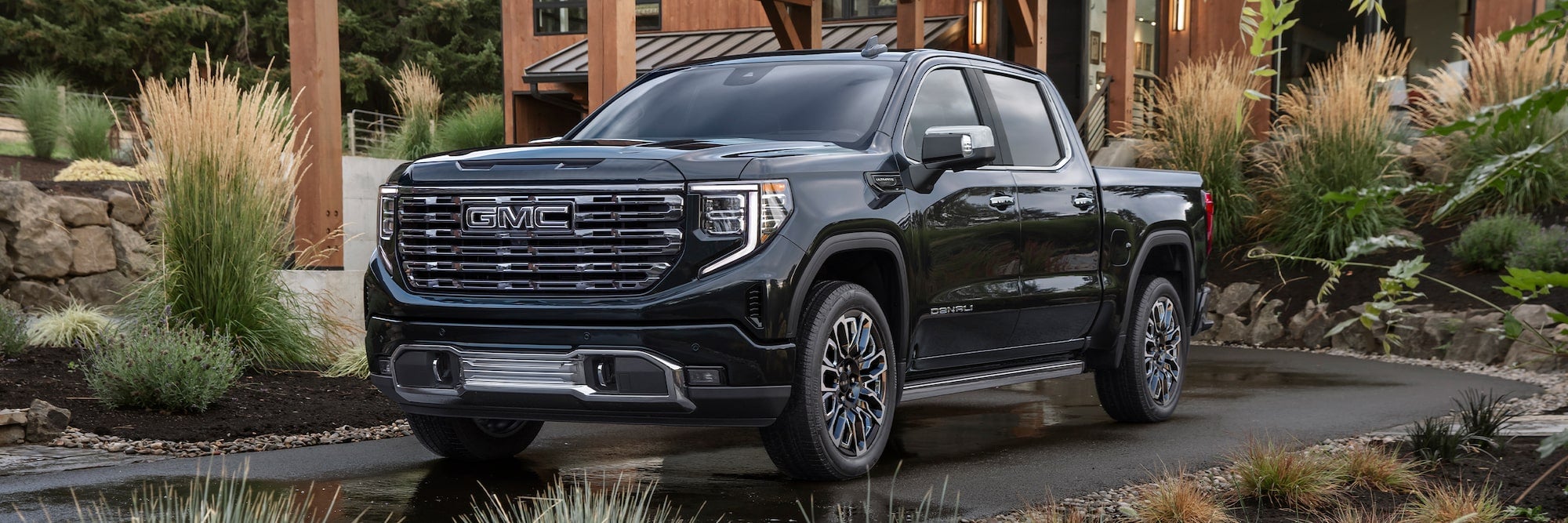
GMC Sierra 1500 Denali parked in a landscaped driveway, exterior view

Used Cars in Huntsville AL: A Step by Step Shopping Guide for North Alabama Buyers

By Bentley Buick GMC Team · Published October 31, 2026 Shopping for used cars Huntsville AL style means you have a lot of choices. The city is growing, commutes keep getting longer, and the used market moves fast. A simple plan helps you skip the stress and drive home in a vehicle that fits your life. This guide walks you through each step, from the first search to the day you sign. Step One: Decide How You Will Use the Vehicle Before you look at a single listing, write down how you drive. It sounds basic, but it saves hours. A used truck that tows a bass boat to the Tennessee River has different needs than a small SUV that runs to school and back. Ask yourself these questions: How many people ride with you on a normal day? How about on weekends? Do you tow anything, even once or twice a year? How far is your daily commute, and is it mostly highway or stop and go? Where will you park it? A tight garage or a work lot changes what size makes sense. Do you need all wheel drive or four wheel drive, or is front wheel drive enough? Once you have answers, pick two or three body styles to focus on. For many North Alabama families, that means a compact SUV, a three row SUV or a pickup. Narrowing early keeps your search focused. Match the vehicle to the job A small SUV like a used GMC Terrain or Buick Encore GX can suit a solo commuter or a couple. A three row SUV such as a used GMC Acadia or Buick Enclave fits families who carry kids and their friends. A pickup like a used GMC Sierra 1500 or Canyon makes sense if you haul, tow or work outdoors. There is no wrong answer. The goal is to buy for the life you actually live. Step Two: Set a Budget the Smart Way A budget is more than one number. Think about the total cost of owning the vehicle, not just the purchase. That includes insurance, fuel, routine maintenance and tires. A larger truck or SUV often costs more to insure and fuel than a compact model. Here is a simple way to build your budget: Look at your household spending and decide what you are comfortable putting toward a vehicle each month, including insurance and fuel. Decide how much cash you want to put down, if any. Think about whether you have a trade in. Its value can go toward your next vehicle. Check your credit report before you shop so there are no surprises. You can also get prequalified through the dealer's finance team. It gives you a clear picture of what is realistic before you fall in love with a vehicle. The Bentley Buick GMC finance page lets you start that process online. New or used? Some shoppers start on the used side and then wonder whether new makes more sense. A used vehicle usually lets you get more features for your budget, because someone else has already absorbed the early loss in value. A new vehicle gives you full factory coverage and the latest technology. If you are on the fence, look at a late model certified vehicle. It can be a middle ground with fewer miles, an inspection and added coverage. Step Three: Know the Difference Between Certified and Other Used Vehicles Not every used vehicle is sold the same way. Understanding the labels helps you compare fairly. Certified used vehicles GM's certified used program is called CarBravo. According to GM, every CarBravo vehicle goes through a multi point inspection and comes with a standard limited warranty. GM also says it requires dealers to complete all safety recalls before a CarBravo vehicle is listed or sold. Buyers get 24/7 roadside assistance, and CarBravo offers a vehicle exchange within 10 days or 500 miles, with conditions. Certification terms can change, so ask the store for the current details on any vehicle you like. Bentley Buick GMC also sells Certified Pre-Owned Buick and GMC vehicles. The store says every CPO vehicle has passed a rigorous multi-point factory inspection and been reconditioned to meet manufacturer standards. Dealer inspected vehicles Many used vehicles on a dealer lot are not certified but still go through a dealer inspection. Ask what the inspection covered and whether any repairs were made. A good salesperson can show you the service records. Remaining factory warranty A newer used vehicle may still have time left on its original factory coverage. GMC says its Bumper to Bumper Limited Warranty runs 3 years or 36,000 miles, whichever comes first, and that active limited warranties transfer to the next owner. If you buy a late model GMC, check the in service date and mileage to see what coverage remains. Step Four: Research Used Cars Huntsville AL Dealers Have in Stock Before You Visit Online research saves time on the lot. Start with the used inventory at Bentley Buick GMC and filter by body style, mileage and features. Save the vehicles that look right and write down their stock details so the team can pull them up fast. When you compare listings, look at more than the photos: Mileage and age together. A newer vehicle with high miles may have spent years on the highway, which is easier on some parts than short trips. Vehicle history. Ask for a history report. Look for accidents, title issues and how many owners it has had. Bentley Buick GMC says it can provide vehicle history reports so you can make a fully informed decision. Service records. Regular oil changes and tire rotations are a good sign. Open recalls. You can check any VIN for open recalls on the NHTSA website before you buy. Trim and features. Two vehicles with the same name can have very different equipment. Confirm the features you care about. Huntsville buyers also shop from nearby towns. If you live in Madison or out toward Hazel Green, a short drive can open up more choices. Call ahead so the vehicle is ready when you arrive. Step Five: Test Drive Like You Mean It A test drive is your best tool. Take your time and drive the vehicle the way you will use it every day. Before you start the engine Walk around the vehicle in daylight. Look for uneven gaps between panels, mismatched paint or rust. Check the tires. Uneven wear can point to alignment or suspension issues. Open every door, the hood and the liftgate or tailgate. Sit in every row. Check that the seats adjust and the belts work. On the road Drive on a mix of roads. Try a stretch of Memorial Parkway or I 565 for highway speed, then some neighborhood streets. Listen for clunks over bumps and squeals when you brake. Feel for vibration in the steering wheel at highway speed. Test the air conditioning. In a North Alabama summer, it matters. Pair your phone and try the infotainment system, backup camera and any driver assistance features. After the drive Park and let the engine idle. Look under the vehicle for drips. Check the dash for warning lights. If something feels off, ask about it. You can also ask to have your own mechanic look at the vehicle before you sign. Step Six: Handle the Trade In, Financing and Paperwork Once you find the right vehicle, the last step is the paperwork. Knowing what to expect keeps it smooth. Your trade in If you have a vehicle to trade, bring the title or loan details, both sets of keys and any service records. Clean it out and run it through a car wash. A clean vehicle with records makes a good impression during the appraisal. Bentley Buick GMC offers appraisals for drivers across North Alabama with no purchase required, so you can learn what your vehicle is worth before you shop. Financing You can bring your own loan approval from a bank or credit union, or let the dealer finance team shop lenders for you. The Bentley Buick GMC finance page lists competitive rates direct from the manufacturer and local Alabama banks. Compare the full terms, not just one number. Ask about the loan length and the total amount you will pay over the life of the loan. What to bring Your driver's license Proof of insurance Proof of income and residence if you are financing Your trade in title or payoff information Read before you sign Read every page. Make sure the vehicle identification number, mileage and any promised repairs are written down. Ask about optional products like extended service contracts, and only add what you want. Common mistakes to avoid Most bad used car experiences come from a few avoidable mistakes. Knowing them ahead of time puts you in control. Shopping only by the number on the windshield The sticker is only part of the story. Two similar vehicles can differ in mileage, history, tires, brakes and remaining warranty. A vehicle that needs new tires and brakes soon may cost you more in the first year than one that does not. Compare the whole package. Skipping the history report A clean looking vehicle can hide a past accident or flood damage. In the South, flood damage is a real concern after big storms. Ask for the report and read it. Look for title brands, gaps in the record and odd mileage jumps. Falling for the first vehicle you see It is easy to get attached to the first vehicle that looks right. Try to drive at least two options in the same class. The comparison helps you notice differences in ride, seat comfort and visibility that you would miss otherwise. Ignoring how the vehicle fits your garage and parking Full size trucks and SUVs are long. Measure your garage before you shop for one. If you park downtown or in a tight work lot, a smaller vehicle may save you daily frustration. Rushing the paperwork The end of the process is when people get tired and sign without reading. Take a break if you need one. Ask questions about anything you do not understand. A good dealership will be glad to explain each document. Forgetting about insurance Call your insurance agent with the VIN of the vehicle you are considering before you sign. Rates can vary a lot between models, and the answer may change which vehicle makes the most sense for you. Visit Bentley Buick GMC in Huntsville If you are ready to see vehicles in person, stop by Bentley Buick GMC at 2120 Drake Ave SW in Huntsville. Our team can pull up the vehicles you saved online, set up test drives and walk you through financing in plain terms. Browse the current used vehicles before you come, or learn more about our dealership and how we work with Huntsville drivers. After the Sale: Keep Your Used Vehicle Running Well Buying used is only the start. A little care keeps your vehicle reliable for years. Get a baseline service. If the records are thin, schedule an oil change and inspection soon after you buy so you know where things stand. Follow the maintenance schedule. Your owner's manual lists what to do and when. Many GM vehicles also have an oil life monitor that tells you when the oil is due. Rotate your tires. Regular rotations help tires wear evenly and last longer. Watch for recalls. Sign up for alerts and check your VIN from time to time. Keep records. A folder of receipts helps you track care and adds value when you sell or trade later. Our service and repair center is staffed by GM-certified technicians, and the service department is open extended hours to fit a busy schedule. When it is time for service, you can schedule an appointment online with our service team in Huntsville. Used cars in Huntsville AL can give you years of good driving when you buy with a plan and care for them well. Take it one step at a time, and you will make a choice you feel good about. Frequently Asked Questions What does a certified used GMC or Buick include? GM's certified used program, CarBravo, includes a multi point inspection, a standard limited warranty and 24/7 roadside assistance. GM says dealers must complete all safety recalls before a CarBravo vehicle is listed or sold. There is also a vehicle exchange within 10 days or 500 miles, with conditions. Ask the store for the current terms on the vehicle you choose. Can I have my own mechanic inspect a used vehicle before I buy it? Yes, and it is a smart step, especially on an older or higher mileage vehicle. Ask the sales team to arrange a time. Most buyers find that an outside inspection gives them extra peace of mind. Should I buy a used vehicle with high miles? It depends on how those miles were driven and how the vehicle was cared for. Highway miles with regular service can be easier on a vehicle than short trips with missed maintenance. Look at the history report and service records before you decide. Do I need to get financing before I visit the dealership? No, but it can help. You can arrive with a loan approval from your bank or credit union, or apply through the dealer's finance team, which can compare lenders for you. Either way, compare the full terms before you sign. Sources (as of October 30, 2026) 2027 GMC Acadia Mid-Size SUV (as of October 20, 2026) CarBravo Certified Used Vehicles (as of October 20, 2026) GMC Warranty and Protection (as of October 20, 2026) GMC Certified Used Vehicles (CarBravo) (as of October 20, 2026) Bentley Buick GMC Finance (as of October 30, 2026) Bentley Buick GMC Used Vehicles (as of October 30, 2026) About Bentley Buick GMC (as of October 30, 2026) The Manufacturer's Suggested Retail Price excludes tax, title, license, dealer fees and optional equipment. Dealer sets final price.

How to Finance a Vehicle Without Guesswork

How to Finance a Vehicle Without Guesswork

A vehicle payment should fit your real life, not just look manageable on a worksheet. Learning how to finance a vehicle means looking beyond the monthly payment to the loan term, interest rate, trade-in value, and how long you expect to keep the vehicle. A Sierra that works hard all week, an Acadia that handles school runs, or an Envision that makes the commute more comfortable can all be financed in different ways. The right choice depends on your budget, credit profile, vehicle needs, and plans for the next several years. The goal is not to force every buyer into the same deal. It is to understand your options well enough to choose one you can feel good about. Start With Your Full Vehicle Budget Before comparing vehicles or loan offers, decide what ownership will realistically cost each month. Your payment is only one part of the picture. Insurance, fuel or charging, registration, maintenance, and expected driving habits deserve a place in the budget too. Think about the role the vehicle will play at home. A GMC Canyon or Sierra may be the better fit for towing equipment, hauling materials, or getting around a jobsite. A Buick Encore GX, Envista, or GMC Terrain may better suit a daily commute and weekend errands. Larger families may lean toward an Enclave, Acadia, or Yukon for passenger room and cargo flexibility. Choosing a vehicle that fits the job helps prevent paying for capability you will rarely use, or needing to replace a vehicle too soon because it cannot keep up. It also helps to separate what you can afford monthly from what you are comfortable financing overall. A longer term can lower the payment, but it can also mean paying interest for more time and building equity more slowly. How to Finance a Vehicle Step by Step A simple process can take much of the pressure out of financing. Start by reviewing your credit report for errors and making sure your contact information and account history are current. Credit is one factor lenders consider, but it is not the only one. Income, employment, existing debts, down payment, and the vehicle itself can all affect the available terms. Next, consider getting preapproved through a bank or credit union, then compare that option with dealership financing. Preapproval gives you a useful baseline, not a requirement to finance elsewhere. A dealership finance team can review lender options and help you compare the full structure of each offer. The best option is not always the one with the lowest-looking payment. It is the one with terms that make sense for your financial situation. When you are ready to choose a vehicle, keep the conversation focused on the complete deal: the vehicle amount being financed, annual percentage rate, loan length, down payment, trade value, and any optional products you choose. Ask questions until each line makes sense. A clear answer is part of a respectful buying experience. Know What Changes Your Payment Four moving parts shape most auto loans: the amount financed, your down payment or trade equity, the interest rate, and the term length. Changing any one of them can change the payment and the total amount paid over the loan. A down payment reduces the amount you borrow. It can come from savings, a trade-in, or both. More money down may help lower the payment and can reduce the chance of owing more than the vehicle is worth early in the loan. Still, it is usually wise to keep an emergency cushion rather than use every available dollar at signing. Your interest rate reflects lender criteria, including credit history and the loan details. Buyers with strong credit may qualify for more favorable terms, while shoppers rebuilding credit may have fewer choices. Either way, making payments on time matters. A manageable loan can support your financial progress; a stretched payment can make ordinary life harder. The term is the number of months you have to repay the loan. Shorter terms generally mean higher monthly payments but less interest over time. Longer terms may create more breathing room in the monthly budget, which can be useful for some households. The trade-off is that you may remain in the loan longer, especially if you drive many miles or your vehicle depreciates quickly. Decide Whether Leasing or Buying Fits Better Buying with a traditional auto loan is often a good match for drivers who plan to keep their vehicle for years, drive significant miles, or want the freedom to customize it. Once the loan is paid off, you own the vehicle outright and can keep it, sell it, or trade it when the time is right. Leasing can suit drivers who enjoy moving into a newer vehicle every few years and who have predictable annual mileage. Lease payments may be lower than payments on a comparable purchase, but leases have mileage limits and wear guidelines. At lease end, you typically return the vehicle, purchase it if that option is available, or begin another lease. There is no universal winner. A family in Madison planning to keep an SUV through several seasons of carpools and road trips may prefer ownership. Someone whose needs may change soon, or who wants to experience newer technology in a Buick or GMC, may want to explore leasing. Review mileage expectations honestly before choosing. Use Your Trade-In Carefully A trade-in can simplify the transaction and help reduce the amount financed. Before visiting a dealership, gather both keys, service records, payoff information if there is an existing loan, and a clear sense of the vehicle's condition. Small details such as warning lights, tire condition, and accident history can affect value. If you owe less than the trade is worth, the positive equity can go toward your next vehicle. If you owe more than it is worth, that is called negative equity. It can sometimes be rolled into a new loan, but doing so increases the amount financed. In many cases, waiting, making additional payments, or choosing a less expensive next vehicle may be the healthier path. It depends on your transportation needs and how much negative equity is involved. New, Used, and Certified: Financing Differences to Consider New vehicles may offer the latest safety features, technology, warranty coverage, and available manufacturer programs. For buyers interested in a Sierra EV or HUMMER EV, financing conversations may also include home charging plans, driving patterns, and any current incentives for which they may qualify. Availability and program terms can change, so ask for current details rather than relying on old information. Used vehicles can be a strong value for shoppers who want a specific capability or prefer a lower amount financed. A well-kept pre-owned Yukon, Terrain, or Encore GX may provide the features your household needs without requiring a new-vehicle purchase. However, used-vehicle loan terms can differ based on age, mileage, condition, and lender guidelines. Certified pre-owned vehicles can offer another middle ground, often pairing a newer used vehicle with added inspection standards and warranty coverage. Compare the vehicle history, condition, coverage, financing terms, and expected maintenance needs instead of assuming one category is automatically best. Questions Worth Asking Before You Sign Financing should never feel like a test you have to pass without seeing the answers. Before signing, ask for the annual percentage rate, total loan term, payment due date, and whether there is a prepayment penalty. Confirm how your trade payoff is handled if you have one, and review any optional protection products individually. Optional products can be useful for certain drivers, but usefulness is personal. Consider how long you plan to own the vehicle, how much you drive, whether you have other coverage, and how the product changes the total cost. You should be able to say yes because it serves a purpose for you, not because you felt rushed. At Bentley Buick GMC, the financing conversation is meant to be straightforward, with the same respect and care a family business would want for its own neighbors. Whether you are coming from Huntsville, Athens, Decatur, or a nearby North Alabama community, bring your questions, your trade details, and an honest budget. Then browse new or used inventory, apply for financing when you are ready, and choose the vehicle and terms that let you enjoy the drive without second-guessing the decision. Frequently Asked Questions Can I get pre-qualified before visiting Bentley Buick GMC? Yes. Bentley Buick GMC offers an online pre-qualification option on its website, which can give you an idea of where you stand before you visit. Pre-qualification is not a final approval, and final terms depend on the lender, the vehicle, and your full application. It is a useful starting point for planning a budget. What should I bring to finance a vehicle in Huntsville? Bring a valid driver's license, proof of income such as recent pay stubs, proof of insurance, and proof of residence. If you are trading in a vehicle, bring its title or loan payoff information, both keys, and service records. Having these ready can make the financing conversation faster and clearer. Should I use a credit union preapproval or dealership financing in North Alabama? You do not have to choose before you shop. Many North Alabama buyers get a preapproval from a local bank or credit union, then let the dealership finance team see whether a lender can offer better terms. Compare the annual percentage rate, term, and total cost side by side, and choose the offer that fits your budget. How do optional protection products affect my auto loan? If you add a service contract or similar product and include it in the loan, it raises the amount financed and the total you repay. Some drivers find that coverage valuable and others do not. Ask what each product covers, how long it lasts, and its cost, then decide on each one separately.

GMC Sierra Trim Guide for North Alabama

GMC Sierra Trim Guide for North Alabama

A pickup can be the truck that earns its keep during the week, pulls the boat on Saturday, and still carries the family comfortably to dinner in Huntsville. That is why a GMC Sierra trim guide should do more than sort trucks from basic to luxurious. It should help you find the Sierra that matches how you actually use it. The Sierra 1500 lineup gives North Alabama drivers plenty of choices, from a straightforward work truck to an upscale long-distance tow vehicle. The best trim is not automatically the one with the most features. It is the one with the capability, cabin space, appearance, and equipment you will use often. For the newest model year, GMC narrowed the Sierra 1500 lineup to Pro, Elevation, AT4, AT4X, Denali, and Denali Ultimate, so SLE and SLT trucks are found on earlier model years and in pre-owned inventory. Start With the Sierra You Need Before comparing trim names, choose the basics that affect every Sierra: cab, bed, drivetrain, and engine. Regular Cab models prioritize bed space and job-site utility. Double Cab models offer rear seating while keeping a practical footprint. Crew Cab models provide the roomiest back seat and are often the better fit for families, work crews, and road trips. Bed lengths vary by cab and configuration. A shorter bed can make daily parking and garage access easier, while a longer bed gives contractors, hunters, and DIY homeowners more room for supplies. Two-wheel drive can make sense for light-duty commuting and paved-road use. Four-wheel drive is worth considering for muddy property, gravel roads, boat ramps, and the occasional North Alabama winter weather event. Engine availability also changes by model year and configuration. Sierra 1500 shoppers may find a turbocharged four-cylinder, a V8 (5.3L and 6.2L on earlier trucks, the new 5.7L and 6.6L on the latest models), or an available Duramax diesel. Each has a different personality. The turbocharged engine delivers strong low-end torque for many everyday towing needs, V8s bring familiar power and sound, and the diesel can be especially appealing for frequent highway towing. Properly equipped Sierra 1500 models can tow up to 13,500 pounds, but the actual rating depends on the exact truck. Always verify the door label, trailering guide, and equipment on the specific Sierra you are considering. GMC Sierra Trim Guide: What Each Trim Is For Sierra Pro: Built for the Job The Sierra Pro is the natural starting point for drivers who want a capable truck without paying for features they will not use. It is a sensible choice for business fleets, property owners, first-time truck buyers, and anyone who values durability over decoration. Do not mistake simple for bare-bones. Modern Pro models can include useful technology and safety equipment, but their focus remains the foundation: truck capability, practical interiors, and a configuration that can be tailored for work. If your Sierra will spend more time hauling tools, feed, or equipment than carrying clients, the Pro deserves a close look. Sierra SLE: Everyday Comfort Without Going Overboard SLE adds more convenience and cabin comfort while keeping the Sierra grounded as a working pickup. This trim often makes sense for a driver who uses one vehicle for both a weekday commute and weekend projects. Expect a more polished interior presentation and additional available technology than the Pro. The SLE is often a smart middle ground for families in Madison, Athens, or Decatur who need rear-seat room and towing ability but do not need a luxury-focused truck. It is also a trim worth comparing closely against a well-equipped used Sierra, since feature availability can differ substantially by year. Sierra Elevation: The Sportier Daily Driver The Elevation is for the shopper who wants a truck with a stronger visual presence. Its darker exterior details and more assertive styling distinguish it from the traditional chrome-forward look found on some other Sierra trims. That appearance is not the only reason to consider it. Elevation models commonly pair desirable comfort and technology options with a confident, everyday-ready package. If you want your truck to look at home outside a job site, a ball field, or a restaurant without moving into luxury-truck territory, Elevation is a compelling choice. Sierra SLT: The Well-Equipped All-Rounder SLT is where the Sierra begins to feel notably more refined. It generally brings upgraded interior materials, added convenience features, and a more premium exterior treatment. For many buyers, this is the trim that balances work capability with the comfort expected from a family vehicle. An SLT can be particularly appealing if you tow regularly but also cover plenty of highway miles. Features such as available trailering technology, enhanced camera views, and upgraded seating can make a real difference over time. The exact equipment varies, so compare the window sticker or vehicle listing rather than assuming every SLT includes the same options. Sierra AT4: For Roads That Are Not Always Paved The AT4 is GMC's off-road-oriented Sierra, built for drivers who regularly leave the pavement or simply want the added confidence of trail-ready hardware. Depending on the model year, it may include equipment such as a factory lift, off-road suspension, skid plates, all-terrain tires, and a two-speed transfer case. For landowners around Hazel Green, New Market, or Owens Cross Roads, that equipment can be genuinely useful. For a driver who stays on city streets and interstates, the AT4's tougher ride and all-terrain tires may be more of a style preference than a need. It is a great trim when its strengths match your routine, but not every buyer needs to pay for off-road equipment. Sierra Denali: Premium Without Giving Up the Truck Denali has long been the Sierra trim for buyers who want upscale appointments and serious capability in the same vehicle. It is typically identified by its distinctive grille, elevated materials, and broad range of available technology. This trim fits drivers who spend significant time behind the wheel, entertain customers, take long trips, or simply want a more polished cabin. It can also be an excellent towing companion, especially when equipped with the engine and trailering package suited to your load. The trade-off is straightforward: Denali's comfort and features are meaningful, but they may exceed what a primarily work-focused buyer needs. Sierra AT4X: The Most Serious Off-Road Sierra AT4X takes the AT4 idea further. This trim is aimed at the customer who wants more advanced off-road equipment and a more premium cabin, rather than merely the look of an adventure truck. Depending on the model year, features can include specialized suspension components, underbody protection, enhanced drive modes, and terrain-focused hardware. It is a purpose-built choice, not a default upgrade. An AT4X makes the most sense for frequent trail use, challenging terrain, or buyers who value its particular capability and character. If your toughest obstacle is a wet grass parking area, an AT4 may be the better fit. Sierra Denali Ultimate: The Top-Tier Experience Denali Ultimate sits at the high end of the Sierra lineup, pairing premium craftsmanship with leading available technology and towing confidence. It is designed for the owner who wants a pickup that feels exceptionally comfortable on a long drive while remaining ready for a trailer, cargo, or a full weekend schedule. This trim can include distinctive interior finishes, advanced driver-assistance features, and upscale details that set it apart from the standard Denali. Some models may offer Super Cruise hands-free driver-assistance technology on compatible roads. That is a convenience feature, not a replacement for an attentive driver, and availability depends on the specific vehicle. Do Not Forget Sierra HD Models If your towing needs regularly exceed what a Sierra 1500 is built to handle, move up to the Sierra 2500 HD or 3500 HD. These heavy-duty trucks are offered in several familiar trim names, including Pro, SLE, SLT, AT4, Denali, and Denali Ultimate. The right HD decision depends on more than the trailer's listed weight. Payload, hitch weight, passengers, cargo in the bed, drivetrain, and axle configuration all matter. A bumper-pull utility trailer may be well within a Sierra 1500's range, while a large fifth-wheel RV or equipment trailer can point clearly toward an HD model. Matching the truck to the total job is safer and more satisfying than buying based on a single maximum towing number. How to Choose Between New and Used Sierra Trims A new Sierra lets you select current features and available configurations, while a used Sierra can put a higher trim or more capable engine within reach. Neither route is automatically better. The right choice depends on your preferred equipment, expected mileage, towing plans, and how long you plan to keep the truck. When comparing used models, focus on condition and equipment as much as trim level. A well-maintained SLE with the right tow package can be a better match than a Denali without the capability you need. Check service records, tire condition, trailer-brake controller operation, bed wear, and whether aftermarket accessories were installed correctly. Factory-trained service matters after the sale, too, especially for a truck that works hard. A Sierra should feel like a useful partner, not a compromise parked in your driveway. Whether you need a practical Pro, a family-ready SLT, an off-road AT4, or a refined Denali, Bentley Buick GMC can help you compare current new and used inventory, review financing options, and take the time to find the truck that fits your next mile. Frequently Asked Questions Which Sierra trim makes sense for a Huntsville commuter who tows a few times a year? Many commuters land on an Elevation, or on an SLE or SLT from an earlier model year. These trucks add comfort for daily drives on I-565 while still offering the trailering equipment needed for occasional towing. Choose the engine and tow package for your heaviest trailer first, then pick the trim whose comfort and technology you will use every day. Do I need four-wheel drive on a Sierra in North Alabama? Two-wheel drive can work well for paved commuting. Four-wheel drive is helpful on muddy job sites, farm roads, gravel driveways, steep boat ramps, and the rare icy morning. If your truck will regularly leave the pavement or pull a boat out of the water, four-wheel drive is usually the safer choice. Is an AT4 comfortable enough for daily driving? Many owners drive an AT4 every day, but its off-road suspension and all-terrain tires can feel and sound different from a road-focused trim. If most of your miles are on city streets and highways, drive an AT4 back to back with an SLT or Denali to see which ride you prefer. How can I compare Sierra trims before visiting the dealership? Make a short list of must-have items, such as cab size, bed length, engine, four-wheel drive, and trailering features. Then browse the Sierra inventory and filter for those items rather than trim names alone. When you visit, compare the window stickers on two or three trucks so you can see exactly what each one includes.

New Versus Certified Pre-Owned: Which Fits You?

New Versus Certified Pre-Owned: Which Fits You?

A Sierra that can handle a jobsite outside Huntsville, an Enclave ready for carpools and weekend trips, or an Encore GX that makes daily commuting feel easier - the right vehicle is not always simply the newest one on the lot. The new versus certified pre-owned decision comes down to how you drive, what features matter most, and how much confidence you want built into your next purchase. For some North Alabama drivers, a new Buick or GMC is the clear choice because they want the latest capability, design, and technology. For others, a certified pre-owned vehicle provides a well-equipped, carefully inspected option with added protection. Neither path is automatically better. The best one is the vehicle that fits your life now and still feels right a few years down the road. What Certified Pre-Owned Actually Means Certified pre-owned, often called CPO, is not just another name for used. A CPO Buick or GMC must meet manufacturer requirements for age, mileage, condition, and vehicle history before it can be offered through a participating dealership. It is then inspected and reconditioned according to the certification program's standards. That distinction matters. A regular used vehicle may be a great fit, but its history, condition, and available coverage can vary widely. A certified vehicle has passed a more defined process and typically includes factory-backed limited warranty coverage, roadside assistance, and other program benefits. Exact coverage and eligibility vary by vehicle and program, so it is wise to review the current details on the specific model you are considering. For a family shopping for an Acadia, Terrain, Envision, or Enclave, certification can bring welcome peace of mind. For truck shoppers comparing a Sierra 1500 or Canyon, it can be especially useful when towing, hauling, or dependable work transportation is part of the plan. New Versus Certified Pre-Owned: The Main Differences The most obvious difference is ownership history. With a new vehicle, you are the first owner. You choose from the latest available trims, colors, packages, and powertrains, including newer EV options such as the Sierra EV or HUMMER EV when available. You also receive the full new-vehicle warranty and the latest generation of driver-assistance and connectivity features. A certified pre-owned vehicle has had a prior owner, but it has cleared the manufacturer's certification process. It may not have every newest feature or the exact configuration you would order on a new model, yet it can offer a strong blend of modern amenities, verified condition, and warranty coverage. The right answer often depends on what you are unwilling to compromise on. If you need a particular towing setup, a third-row seating configuration, an advanced camera system, or the newest electric-vehicle capability, shopping new may give you more choices. If you care more about finding a well-maintained vehicle with the equipment you need and a layer of manufacturer support, CPO deserves close consideration. Reasons a New Buick or GMC May Make Sense New is a natural fit for buyers who plan to keep their vehicle for many years. Starting at the beginning of the ownership cycle means you know every mile and every maintenance decision from day one. It also gives you access to the latest changes in comfort, safety, capability, and infotainment. For example, a new Yukon may appeal to a growing family that needs maximum passenger room and current trailering technology. A new Buick Envista or Encore GX may be right for someone who wants a fresh design, current smartphone integration, and the confidence of full factory coverage. Drivers curious about EV ownership may also prefer new because battery technology, charging features, and available incentives can change from model year to model year. New vehicles can also make planning simpler. You can establish service records from the first visit, follow the maintenance schedule precisely, and avoid wondering how a previous driver used the vehicle. That can matter if you expect your Sierra, Enclave, or Terrain to become a long-term member of the household. Why Certified Pre-Owned Can Be the Sweet Spot Certified pre-owned often works well for shoppers who want more reassurance than a typical used vehicle provides without needing the latest model year. Many CPO vehicles are recent models, which means they can still include features drivers use every day: smartphone connectivity, backup cameras, safety alerts, heated seating, all-wheel drive, or trailer equipment, depending on the vehicle. Certification also creates a helpful middle ground for buyers who value warranty coverage. Instead of taking on a vehicle with an unknown maintenance story, you can consider one that has undergone a manufacturer-required inspection and is supported by program benefits. For commuters traveling between Madison, Decatur, Athens, and Huntsville, that added confidence can be worth a great deal. CPO inventory is also practical for buyers who prefer to see the exact vehicle before making a decision. Rather than ordering and waiting for a particular configuration, you can evaluate the available vehicle's condition, equipment, cargo area, seating, and drive feel right away. Think Beyond the Monthly Payment A monthly payment matters, but it should not be the only number guiding your choice. Consider how long you expect to own the vehicle, how many miles you drive each year, whether you need towing or off-road capability, and how important warranty coverage is to your comfort level. A new vehicle may offer longer coverage from the start and fewer near-term maintenance concerns. A certified pre-owned vehicle may have some warranty remaining or additional certified coverage, but it is further along in its ownership cycle. Tires, brakes, batteries, and routine maintenance should still be part of the conversation, even when a vehicle has been inspected. Insurance, fuel use, registration, financing terms, and trade-in value all deserve a look as well. A trusted finance team can help you compare realistic payment structures and ownership goals without pushing you into a vehicle that does not suit your budget. The strongest decision is one you understand clearly, not one made in a hurry. Match the Vehicle to the Way You Live A vehicle's badge tells only part of the story. The better question is what it needs to do for you on an ordinary Tuesday and on your busiest weekend. If your truck pulls equipment, carries supplies, or heads out to the lake, focus on the specific Sierra or Canyon 's engine, bed length, drivetrain, payload, and trailering equipment. Do not assume two trucks with the same model name have the same capability. A new truck may give you more freedom to select the exact setup, while a CPO truck may already have the useful options you need. For SUV shoppers, bring the whole routine into the decision. Test the third row in an Acadia or Yukon if kids, grandparents, or teammates will use it. Open the cargo area of an Enclave and picture groceries, sports gear, or luggage. In an Envision, Terrain, Encore GX, or Envista, pay attention to visibility, rear-seat access, and how easily the cabin fits your day-to-day needs. A certified pre-owned model can be an excellent choice if its configuration matches your life. A new model can be worth waiting for if a key feature, specific capability, or preferred powertrain is nonnegotiable. Questions to Ask Before You Choose Before committing to either option, ask to see the vehicle history information, inspection details, warranty terms, and maintenance records available for the vehicle. Take a thorough test drive on roads that resemble your normal route. If you regularly travel Highway 72, navigate busy Huntsville traffic, or take longer trips across North Alabama, pay attention to seat comfort, road noise, braking feel, visibility, and driver-assistance features. For a certified vehicle, ask what reconditioning was completed and what coverage comes with certification. For a new vehicle, ask which packages are included and whether the features you want are standard or optional. In both cases, review the vehicle's capability ratings rather than relying on a general model description. At Bentley Buick GMC, the goal is to help you compare options with the same respect, honesty, and care we would want for our own family. Whether you leave in a new Buick or GMC or a certified pre-owned vehicle, you should feel comfortable with how it fits your driving needs and ownership plans. When you are ready, browse the available new and certified pre-owned inventory, bring your trade-in questions, and talk with a team member about financing and service support. A good vehicle purchase should feel less like a gamble and more like a decision you can be glad you made every time you turn the key. Frequently Asked Questions What is CarBravo, and how does it relate to certified Buick and GMC vehicles? CarBravo is the General Motors pre-owned vehicle program, and certified used Buick and GMC vehicles are offered through it at participating dealers. Certified vehicles must meet program requirements and include an inspection and limited warranty coverage. Bentley Buick GMC can walk you through the current CarBravo benefits on any certified vehicle you are considering. Can I finance a certified pre-owned vehicle the same way as a new one? The process is similar. You apply, review the rate and term, and choose a structure that fits your budget. Rates and terms for certified and used vehicles can differ from new vehicle financing and may depend on age and mileage. Compare offers on the specific vehicle rather than assuming a rate you saw advertised applies. What should I check on a pre-owned vehicle after a hot North Alabama summer? Run the air conditioning on high and make sure it stays cold. Ask about battery testing, look at tire condition and age, and check for any moisture or musty smell inside the cabin. Even on a certified vehicle, a careful test drive in local traffic helps you confirm it is ready for the heat. Is a certified pre-owned truck a good choice for towing? It can be, as long as the truck has the equipment your trailer needs. Confirm the engine, axle ratio, hitch, trailer brake controller, and towing rating on the specific truck. Certification covers condition and warranty, but it does not change capability, so match the truck to the loaded weight of your trailer.

Understanding Truck Payload Ratings for Your Next Truck

Understanding Truck Payload Ratings for Your Next Truck

A truck can have the power to pull a heavy trailer and still be overloaded before it leaves the driveway. That is the part many shoppers miss when comparing capability numbers. Understanding truck payload ratings means knowing how much weight your truck can safely carry in its cab and bed, including the portion of trailer weight resting on the hitch. For a North Alabama workday, that could mean four adults, a toolbox, a bed full of supplies, and a loaded equipment trailer. For a weekend at the lake or campsite, it may be family passengers, coolers, bikes, luggage, and a travel trailer. The right GMC truck is not simply the one with the biggest number on a brochure. It is the one whose rated capacity fits how you will actually use it. What a Truck Payload Rating Means Payload is the maximum combined weight a truck can carry inside or on the vehicle. It includes people in the cabin, cargo in the bed, accessories added after purchase, and hitch or tongue weight from a trailer. A simple way to think about it is this: payload is everything added to the truck after it was built. If it rides in the truck, sits in the bed, or presses down on the hitch, it counts. Payload is different from towing capacity. Towing capacity describes how much a truck may pull behind it under the right conditions. Payload describes what the truck itself may carry. Both figures matter, but payload is often the limiting factor for owners who tow travel trailers, enclosed trailers, or boats. The specific payload rating for a vehicle is found on its Tire and Loading Information label, usually on the driver-side door jamb. Look for wording similar to: “The combined weight of occupants and cargo should never exceed” followed by a number. That label applies to that exact truck as equipped, which makes it more useful than a general model maximum. Why Payload Changes From One Truck to Another Two GMC Sierra trucks that look nearly identical from the outside can have different payload ratings. Cab size, bed length, drivetrain, engine, trim, tires, suspension equipment, and installed options all affect how much capacity remains after the truck is built. A crew cab adds passenger room, but it also adds vehicle weight. Four-wheel drive is valuable for muddy jobsites, gravel roads, and wet Alabama weather, though it can change the available payload compared with a similar two-wheel-drive configuration. Luxury features, larger wheels, a panoramic roof, power running boards, and other equipment can also reduce capacity because they add weight. That does not make a well-equipped truck the wrong choice. It simply means the shopper who regularly carries a slide-in camper, dense construction materials, or several passengers while towing needs to check the label before deciding. The same is true when comparing a GMC Canyon with a Sierra 1500, or stepping up to a heavy-duty Sierra. Size alone does not answer every capability question. Payload, GVWR, and Curb Weight Three terms are worth separating. Curb weight is the truck’s weight with standard equipment and fluids, but without people or cargo. Gross Vehicle Weight Rating, or GVWR, is the most the loaded truck is allowed to weigh. Payload is the difference between those two figures. For example, if a truck’s GVWR is 7,000 pounds and its ready-to-drive weight is 5,100 pounds, its available payload is 1,900 pounds. Add a family, work gear, a bed cover, and trailer tongue weight, and that 1,900 pounds can disappear faster than expected. Do not rely on this kind of example to calculate your own truck’s final rating. Factory options and dealer-installed accessories can make the actual number different. Use the door-jamb label and the owner’s manual as the final word for the vehicle you are considering. Trailer Tongue Weight Is Part of the Load When you tow, some of the trailer’s weight transfers to the truck through the hitch. That downward force is called tongue weight for conventional trailers. A properly loaded bumper-pull trailer often places roughly 10% to 15% of its loaded trailer weight on the hitch, although the correct amount depends on the trailer type and manufacturer guidance. Say a loaded trailer weighs 6,000 pounds. Its tongue weight could be in the neighborhood of 600 to 900 pounds. That weight counts against payload before you add the driver, passengers, a cooler, recovery gear, or cargo in the bed. Fifth-wheel and gooseneck trailers typically place a larger share of their weight in the bed, so payload becomes especially critical. A weight-distributing hitch can help level a properly matched truck and trailer and improve handling, but it does not increase the truck’s payload rating. Neither does an aftermarket suspension helper. Those components may address ride height or stability, but the factory-rated limits remain in place. How to Estimate the Payload You Need Before comparing trucks, make an honest list of what normally comes along. Avoid using the occasional light-load day as your benchmark. Plan for the heaviest realistic day you expect to have a few times each year. Consider these common payload items: Every regular passenger, including car seats and pet crates Tools, job boxes, generators, fuel containers, and bed cargo Added accessories such as bed covers, racks, and running boards Loaded trailer tongue weight or the pin weight of a fifth-wheel trailer Then compare your estimate with the number on the truck’s Tire and Loading Information label. Leave breathing room rather than aiming to use every last pound. Cargo changes, passengers join trips, and a trailer can weigh more after it is packed with water, batteries, food, and camping equipment. For many Sierra 1500 shoppers, a versatile half-ton configuration is an excellent fit for household projects, recreational towing, and everyday driving. A Canyon may suit buyers who need a more maneuverable truck for lighter loads and weekend gear. If your regular workload includes large equipment, a heavy trailer, or a truck camper, a Sierra HD configuration may be the more comfortable match. The answer depends on the actual load, not on what a neighbor drives. Do Not Forget Tires and Axle Ratings Payload is a whole-vehicle number, but safe loading also depends on tire and axle limits. Cargo should be secured and distributed according to the owner’s manual. With a trailer attached, confirm that the truck and trailer sit level enough for safe operation, that tires are inflated to the specified pressure for the load, and that no axle rating is exceeded. A public scale is one of the best tools for frequent towers. Weigh the loaded truck by itself, then weigh the truck and trailer combination as directed by the scale operator. The results can show whether a trailer is transferring more hitch weight than expected or whether bed cargo needs to be rearranged. This attention to weight is not just about protecting a rating on paper. Overloading can affect steering response, braking distance, tire heat, suspension behavior, and transmission performance. It can turn a normal drive through Huntsville traffic or a long run toward the mountains into a more stressful trip than it should be. Payload Matters for SUVs, Too Truck shoppers are not the only people who should pay attention. The same loading principles apply when towing with a GMC Yukon, Acadia, or a Buick Enclave. Passengers, cargo behind the third row, and trailer tongue weight all count toward the vehicle’s available carrying capacity. That matters for families comparing a truck with an SUV. A Yukon may be a better choice when passenger comfort comes first, while a Sierra may offer the bed space and payload flexibility needed for work materials or larger hitch loads. The best vehicle is the one that handles the full picture: people, cargo, towing needs, parking, and day-to-day driving. Check the Label Before You Commit When you visit Bentley Buick GMC, bring details about the trailer, equipment, or cargo you expect to carry. A sales professional can help you locate the door-jamb label on a specific truck and compare configurations without guesswork. If you already own a trailer, knowing its loaded weight and measured tongue weight makes the conversation even more useful. Payload should give you confidence, not create confusion. Take the time to match the truck to the work and weekends ahead, then browse new and used inventory with the actual load in mind. Frequently Asked Questions How do I find the payload rating on a used GMC truck? Look for the Tire and Loading Information label on the driver side door jamb. It shows the rating for that truck as built. If a previous owner added a lift kit, bigger tires, a toolbox, or a heavy bumper, those items use up part of the payload. Weighing the empty truck shows what capacity actually remains. Does summer heat change how much I should load my truck? The rated payload does not change, but hot North Alabama summers put extra stress on tires, brakes, and the transmission when a truck is loaded. Set tire pressure to the load specification while the tires are cold, avoid running right at the limit, and keep fluids and brake service current before towing season. Where can I weigh my truck and trailer near Huntsville? Certified public scales are common at truck stops along interstate routes such as I-65, and some local businesses that handle bulk materials also offer weighing. Weigh the truck alone, then with the trailer attached, and follow the scale operator's directions. The results show your real payload and tongue weight instead of an estimate. Does a Sierra HD make sense for a slide-in truck camper? Slide-in campers place a lot of weight in the bed, so payload is often the deciding number. Many camper owners look at heavy-duty trucks for that reason. Check the camper's loaded weight against the door jamb label on the specific truck, and leave room for passengers, water, and gear.

GMC Yukon versus Chevrolet Tahoe: Which Fits?

GMC Yukon versus Chevrolet Tahoe: Which Fits?

A full-size SUV has to earn its space in the driveway. It may be taking kids to practice in Huntsville, carrying grandparents to Sunday lunch, towing a boat toward the lake, or loading up for a long Alabama road trip. In the GMC Yukon versus Chevrolet Tahoe decision, the practical differences are smaller than many shoppers expect, but the personality of each vehicle can make one feel like the better fit. The Yukon and Tahoe share much of their mechanical foundation, including their body-on-frame construction, available four-wheel drive, and three rows of seating. That means this is not a simple case of one SUV being better than the other. The better question is whether you prefer the Yukon’s more premium, GMC-focused trim lineup or the Tahoe’s broader range of familiar Chevrolet personalities. GMC Yukon Versus Chevrolet Tahoe at a Glance Both SUVs offer the capability that draws families to a full-size vehicle in the first place. Depending on configuration, each can be equipped with a gas V8 or an available Duramax turbo-diesel engine, paired with a 10-speed automatic transmission. Properly equipped models can tow substantial loads, with maximum towing ratings reaching up to 8,400 pounds. They also offer comparable passenger room and cargo flexibility. Behind the third row, each has about 25.5 cubic feet of cargo space. Fold the rear seats, and there is enough room for luggage, sports gear, home-improvement supplies, or a serious grocery run without playing a game of trunk Tetris. Because their basics are so similar, compare the exact trim, drivetrain, seating layout, and equipment you want. A two-wheel-drive Tahoe LS and a four-wheel-drive Yukon Denali are not direct substitutes, even though they share a platform. Where the GMC Yukon Stands Apart The Yukon generally leans more upscale from the start. Its styling is square-jawed and confident, with a grille, lighting signature, and cabin design that feel distinctly GMC. For shoppers who want a large SUV that is functional Monday through Friday but still feels special on a night out, that presentation matters. Denali Brings a More Luxurious Direction The Yukon Denali and Denali Ultimate trims are the clearest difference-makers. They bring more refined cabin materials, distinctive exterior details, advanced available technology, and a stronger luxury feel than most mainstream full-size SUV trims. Available features such as premium audio, massaging front seats, and a high-end interior finish can make long drives more comfortable. The Denali name is not just an appearance package. It is aimed at buyers who want full-size utility without giving up the details they appreciate in a premium vehicle. If your family vehicle also doubles as your client-meeting vehicle or weekend travel vehicle, the Yukon’s upper trims deserve a close look. AT4 Is Built for the Less-Paved Route The Yukon AT4 is the right conversation for shoppers who regularly head beyond the pavement. It brings an off-road-focused look and equipment, including four-wheel drive and rugged capability features. It is not a substitute for a dedicated trail rig, but it is a smart choice for rough campsites, hunting land, gravel roads, and trips where ground clearance and traction matter. For many North Alabama drivers, that is a practical advantage rather than a bragging point. A vehicle that feels composed on the Parkway but ready for a muddy field or uneven boat ramp can make ownership easier. Where the Chevrolet Tahoe Makes Its Case The Tahoe is every bit as capable of handling family duty, towing, and long-distance travel. Its advantage is choice. Chevrolet offers a wider variety of trim personalities, allowing shoppers to move from a straightforward, value-minded SUV to a sporty-looking model, an off-road-oriented option, or a well-appointed premium version. More Ways to Match Your Style The Tahoe lineup includes trims such as LS, LT, RST, Z71, Premier, and High Country. The RST appeals to drivers who want a darker, sportier road presence. The Z71 gives the Tahoe an off-road-ready attitude. At the other end, Premier and High Country models add more comfort, convenience, and upscale touches. That range can be helpful if you already know exactly what you want. A Tahoe can be equipped as a straightforward family hauler, a towing vehicle with modern conveniences, or a polished road-trip SUV. The key is being disciplined about must-have features instead of paying attention only to the badge on the grille. Familiar, Straightforward Full-Size Utility Some buyers simply prefer Chevrolet’s more familiar design language and trim naming. The Tahoe feels traditional in the best sense: roomy, capable, and easy to understand. If you are trading out of another Chevrolet or want the widest selection of styling and equipment combinations, it may feel immediately comfortable. Power, Towing, and Driving Feel Neither the Yukon nor the Tahoe should be chosen based on horsepower alone. The available 5.3-liter V8 is a sensible fit for many drivers who need dependable daily power and occasional towing. The available 6.2-liter V8 adds stronger performance for those who frequently pull heavier trailers or appreciate quicker acceleration. The available Duramax turbo-diesel is worth considering for drivers who cover a lot of highway miles or value low-end torque when towing. Towing ratings depend on the engine, drivetrain, axle ratio, towing package, passenger load, and trailer setup. If you pull a camper, enclosed trailer, or boat, bring the real numbers to the conversation: loaded trailer weight, tongue weight, passenger count, and the gear you carry. A vehicle may have an impressive maximum rating and still need to be matched carefully to your specific trailer. On the road, the differences often come down to trim and suspension. Both can be calm, comfortable highway companions, especially in higher trims with available adaptive suspension systems. The Yukon tends to feel more deliberately premium in its upper configurations, while the Tahoe gives buyers more routes to the ride quality and look they prefer. Seating, Cargo, and Family Details Both models can be configured for large families, with seating for up to eight in the current Yukon and up to nine in select Tahoe layouts. Available second-row captain’s chairs make access to the third row easier and give passengers more individual space, while a second-row bench may be the better answer for shoppers who need maximum seating capacity. Before deciding, sit in the third row yourself. Check how easily child seats fit in the second row, whether older kids can reach their seating position without help, and how much cargo space remains when all rows are occupied. A spec sheet cannot tell you whether the rear liftgate opening works for your cooler, stroller, baseball bag, or folding chairs. Technology availability also varies by trim. Both vehicles can offer large displays, smartphone connectivity, driver-assistance features, trailering technology, and rear-seat entertainment options. Instead of assuming a feature is standard, confirm it on the exact vehicle you are considering. Model-year changes and package availability can affect the equipment list. Which One Should You Choose? Choose the GMC Yukon if you want your full-size SUV to feel more premium, particularly in Denali or Denali Ultimate form. It is also the natural choice if the AT4’s off-road-minded capability suits the way you spend weekends. The Yukon delivers serious family and towing utility while carrying a more elevated GMC identity. Choose the Chevrolet Tahoe if you want more trim paths and a classic Chevrolet take on the full-size SUV. It can be the better match for shoppers who want a particular combination of value, sportier styling, off-road appearance, or premium comfort within one broad lineup. If both are on your list, do not decide from photos alone. Sit in the driver’s seat, fold the seats, look over the trailering equipment, and take each one on a real test drive. At Bentley Buick GMC, we are happy to help you compare the Yukon configurations that fit your family, your trailer, and the roads you travel most. Browse available new or used vehicles, talk through financing choices, and choose the SUV that will still feel right after the new-car excitement wears off. Frequently Asked Questions Is a Yukon Denali a good fit for long North Alabama road trips? For many families, yes. Denali trims focus on refined materials, comfortable seating, and available technology that can make long drives to the Gulf or the mountains more relaxing. Whether it is worth it depends on how much time you spend behind the wheel. Drive a Denali and a lower Yukon trim back to back to compare. Does the Yukon AT4 make sense for lake and hunting trips in North Alabama? The AT4 is designed for drivers who regularly use gravel roads, hunting land, campsites, and boat ramps. Its four-wheel drive and off-road focused equipment add confidence on those surfaces. If your weekends stay on pavement, another Yukon trim may give you a smoother ride for daily driving around Huntsville. What should I bring when comparing Yukon configurations at Bentley Buick GMC? Bring the car seats, coolers, sports gear, or strollers you carry most often, plus details about any trailer you tow, including its loaded weight. If you plan to park in a garage, bring its measurements. Those items help the team match a Yukon seating layout, drivetrain, and trailering setup to your real routine. Is four-wheel drive necessary on a Yukon in Madison County? It is not required for most paved driving, but it helps during heavy storms, on the occasional icy morning, on gravel roads, and on slick boat ramps. Families who tow or head off the pavement often choose four-wheel drive. Drivers who stay on city streets and I-565 may find two-wheel drive fits their needs.

GMC Terrain vs. Acadia: Which GMC SUV Is Right for You?

GMC Terrain vs. Acadia: Comparing GMC's SUV Lineup Shopping for a GMC SUV and stuck between two sizes? The GMC Terrain vs. Acadia decision comes down to how many people you carry, how much you haul, and how you spend your weekends. The Terrain is the smallest SUV in GMC's lineup, built for easy parking and everyday driving. The Acadia is a three-row midsize SUV with room for up to eight passengers and real towing muscle. At Bentley Buick GMC, we help Huntsville drivers compare both side by side every week. Here's how they stack up so you can pick the right fit. Size and Seating: Compact vs. Midsize The biggest difference between these two SUVs is size. The Terrain is a two-row compact SUV that seats five. The Acadia is a three-row midsize SUV that seats up to eight in the Elevation trim, while other trims use second-row captain's chairs for seven passengers. Cargo Space Terrain: about 30 cubic feet behind the second row and about 63 cubic feet with the rear seats folded. Acadia: 23.0 cubic feet behind the third row, 57.3 cubic feet behind the second row, and 97.5 cubic feet behind the first row. That means the Acadia holds nearly as much behind its third row as the Terrain does behind its second. With every seat folded, it offers about 50% more room. If your week includes carpools, sports gear, or grandparents riding along, that extra row matters. If you mostly drive solo or with one or two passengers, the Terrain's smaller footprint is easier to park in tight garages and busy lots. You can see both SUVs side by side in our new GMC inventory. Power, Performance, and Towing Under the hood, these SUVs are built for different jobs. Terrain: a 1.5L turbocharged four-cylinder with 175 horsepower and 203 lb-ft of torque. All-wheel-drive models can tow up to 1,500 pounds when properly equipped. Acadia: a 2.5L turbocharged four-cylinder with 328 horsepower and 326 lb-ft of torque, paired with an eight-speed automatic. A trailering package is standard, so every Acadia can tow up to 5,000 pounds. The Terrain's engine is tuned for commuting and around-town errands. It handles highway merges well, but it isn't meant for heavy loads. The Acadia has nearly double the horsepower and more than three times the towing capacity. That's enough for a small boat, a pair of personal watercraft, or a pop-up camper headed to the lake. Want to know how the Acadia holds up over the years? Read our guide to GMC Acadia reliability. Technology and Safety Features Both SUVs share GMC's modern cabin design, so choosing the smaller one doesn't mean giving up much tech. 15-inch center touchscreen: standard on both. The Acadia's portrait-style screen includes Google built-in for voice commands, maps, and apps. 11-inch driver information display: keeps speed, navigation, and vehicle info right in your line of sight. Standard safety tech: both come with a long list of standard driver-assistance features, including automatic emergency braking. Super Cruise: hands-free driver assistance is available on select Acadia trims for compatible highways. If you spend a lot of time on I-565 or I-65, features like Super Cruise and the Acadia's larger cabin can make long drives more relaxing. For quick trips across town, the Terrain gives you the same big-screen experience in a smaller, easier-to-drive package. Trim Levels: Elevation, AT4, and Denali Both SUVs come in the same three GMC trims, which makes comparing them simple. Elevation The starting point, with bold styling and core tech. On the Acadia, Elevation is the trim that offers eight-passenger seating. AT4 Built for rougher roads. The Terrain AT4 adds a lifted ride height, all-terrain tires, selectable drive modes, and red front recovery hooks. The Acadia AT4 includes standard all-wheel drive, Active Torque Control, Terrain Modes, and all-terrain tires. Denali The premium choice, with upscale touches like perforated leather-appointed seats and the most standard features. See what sets this trim apart on our GMC Denali page. Which GMC SUV Should You Choose? Choose the Terrain if you: Usually drive with four or fewer people Want an SUV that's easy to park and maneuver Tow light loads, if anything at all Want GMC style and tech in a smaller package Choose the Acadia if you: Regularly carry five or more passengers Need a third row for kids, carpools, or extended family Tow a boat, camper, or utility trailer Want extra power for highway passing and hills Plenty of families from Madison, Decatur, and Athens start out in a Terrain and move up to an Acadia as their needs grow. Our financing team can walk you through options on both, so you can choose based on your lifestyle and budget. Frequently Asked Questions Is the GMC Acadia bigger than the Terrain? Yes. The Acadia is a three-row midsize SUV that seats up to eight, while the Terrain is a two-row compact SUV that seats five. The Acadia also offers far more cargo room, with up to 97.5 cubic feet behind the first row compared to about 63 cubic feet in the Terrain. Does the GMC Terrain have a third row? No. The Terrain seats five passengers in two rows. If you need a third row, the Acadia is the GMC SUV built for that, with seating for seven or eight depending on the trim. Which can tow more, the GMC Terrain or Acadia? The Acadia tows much more. Every Acadia comes with a standard trailering package and can tow up to 5,000 pounds. The Terrain can tow up to 1,500 pounds when equipped with all-wheel drive. Do the Terrain and Acadia come in AT4 and Denali trims? Yes. Both SUVs are offered in Elevation, AT4, and Denali trims. AT4 models focus on off-road capability with all-terrain tires and drive modes, while Denali models focus on premium materials and features. Can I test drive the Terrain and Acadia back to back at Bentley Buick GMC? Yes. Visit Bentley Buick GMC at 2120 Drake Ave SW in Huntsville, AL, to drive both SUVs on the same day. Call 256-536-2475 ahead of time and we'll have them ready. Find Your GMC SUV at Bentley Buick GMC Whether you need the easy-driving Terrain or the roomy, capable Acadia, the GMC Terrain vs. Acadia choice comes down to your passengers, your cargo, and your plans. The best way to decide is to sit in both and drive them on the roads you use every day. Stop by Bentley Buick GMC on Drake Ave SW, or schedule a test drive and our team will have both SUVs ready for you. Have questions before you visit? Call us at 256-536-2475.

GMC Yukon full-size SUV driving on an open road

GMC Yukon vs. Yukon XL: Which Size Fits Your Family?

Shopping for a full-size SUV usually comes down to one question: how much room do you really need? The GMC Yukon vs. Yukon XL decision is a good example, because the two share the same engines, trims and technology. The difference is length, and that length changes how you use the third row and the cargo area every day. At Bentley Buick GMC, we walk Huntsville families through this choice all the time, so here is a clear look at where each size fits. The Yukon Denali. Image: GMC What the Yukon and Yukon XL Share You are not giving anything up by choosing either size. GMC builds both on the same platform and offers the same five trims on each: Elevation, AT4, AT4 Ultimate, Denali and Denali Ultimate. Both seat up to eight passengers, with the AT4 Ultimate configured for seven, and both stand 76.5 inches tall. The engine lineup is identical too: 5.3L V8: the standard engine, rated at 355 horsepower and 383 lb-ft of torque. 6.2L V8: 420 horsepower and 460 lb-ft of torque for stronger acceleration. 3.0L Duramax turbo-diesel: 305 horsepower and 495 lb-ft of torque, the most torque in the lineup. Every engine pairs with a 10-speed automatic transmission. If you want to see how the trims stack up, our Yukon and Yukon XL research page lays out the features of each one. Size and Cargo: Where the Yukon XL Pulls Ahead The Yukon XL is about 15 inches longer than the standard Yukon, at 225.2 inches compared with 210.1 inches. Most of that length goes into the wheelbase, which grows from about 121 inches to about 134 inches, and into the cargo area behind the third row. Measurement Yukon Yukon XL Overall length 210.1 in 225.2 in Wheelbase About 121 in About 134 in Cargo behind 3rd row 25.5 cu ft 41.5 cu ft Cargo behind 2nd row 72.5 cu ft 93.6 cu ft Maximum cargo 122.8 cu ft 144.5 cu ft Seating Up to 8 Up to 8 The figure that matters most for many families is cargo behind the third row. With every seat in use, the Yukon XL gives you 16 more cubic feet. That is the difference between squeezing in a few duffel bags and fitting strollers, sports gear and a week of groceries at once. GMC also notes that the XL adds third-row legroom, so adults in the way back ride more comfortably on long road trips. If that sounds like your household, take a look at our new Yukon XL inventory to see which trims and colors are on the lot. Where the Standard Yukon Makes More Sense Easier to park and garage At 210.1 inches, the standard Yukon is easier to live with in tight spaces. Those 15 inches matter in a parking deck or a compact home garage. Measure your garage before you shop: the Yukon XL is about 18 feet 9 inches long, so make sure you will still have room to walk around it. A little more towing capacity GMC rates the Yukon to tow up to 8,400 lbs when properly equipped. The Yukon XL is rated slightly lower because it carries more weight. For most boats and campers the gap is small, but if you tow close to the limit, the standard Yukon gives you a bit more margin. A third row you use now and then If your third row is mostly for carpool runs or visiting family, the standard Yukon still offers 25.5 cubic feet behind it, and folding the third row opens up 72.5 cubic feet. You can compare what is available in our new Yukon inventory. Both sizes share the same trims and engines. Image: GMC Which Size Is Right for You? Choose the Yukon if you: Park in tight spaces or have a shorter garage Tow often and want the highest rating Use the third row occasionally Choose the Yukon XL if you: Fill all three rows on a regular basis Need real cargo room behind the third row Have adults or teens riding in the back on long trips It also helps to think a few years ahead. A family that fits in the standard Yukon today may need the extra third-row room once kids grow into teenagers or start bringing friends along. On the other hand, if your schedule is mostly commuting and errands, the shorter Yukon is the one you will be glad to park every day. Many drivers from Madison, Decatur and Athens bring their own gear to the test drive: car seats, a cooler or a set of golf clubs. Loading it into both sizes back to back is the fastest way to decide. Once you know which size fits, our finance team can walk you through options on either model. Frequently Asked Questions What is the difference between the GMC Yukon and Yukon XL? The Yukon XL is about 15 inches longer, with a longer wheelbase, more third-row legroom and more cargo space. Both share the same engines, the same five trims and seating for up to eight. How much more cargo space does the Yukon XL have? Behind the third row, the Yukon XL offers 41.5 cubic feet compared with 25.5 cubic feet in the Yukon. With the rear seats folded, maximum cargo grows from 122.8 to 144.5 cubic feet. Can the Yukon XL tow as much as the Yukon? Nearly. GMC rates the Yukon at up to 8,400 lbs when properly equipped, and the XL is rated slightly lower because of its added weight. Exact ratings depend on the engine, drivetrain and trailering package. Will a Yukon XL fit in my garage? The Yukon XL is 225.2 inches long, or about 18 feet 9 inches. Measure your garage depth and leave room to walk around the vehicle before you decide. Can I test drive both the Yukon and Yukon XL at Bentley Buick GMC? Yes. Visit us at 2120 Drake Ave SW in Huntsville or call 256-536-2475, and we can have both sizes ready so you can compare them side by side. Find Your Yukon at Bentley Buick GMC The GMC Yukon vs. Yukon XL choice comes down to how you use the space behind the second row. If you want a full-size SUV that parks easily and tows a little more, the Yukon is the pick. If you fill every seat and still need room for gear, the XL earns its extra length. Get a trade appraisal online, then stop by Bentley Buick GMC on Drake Ave SW in Huntsville to sit in both.

Contact Us

Fill out this form below and we'll contact you shortly
*Required Fields