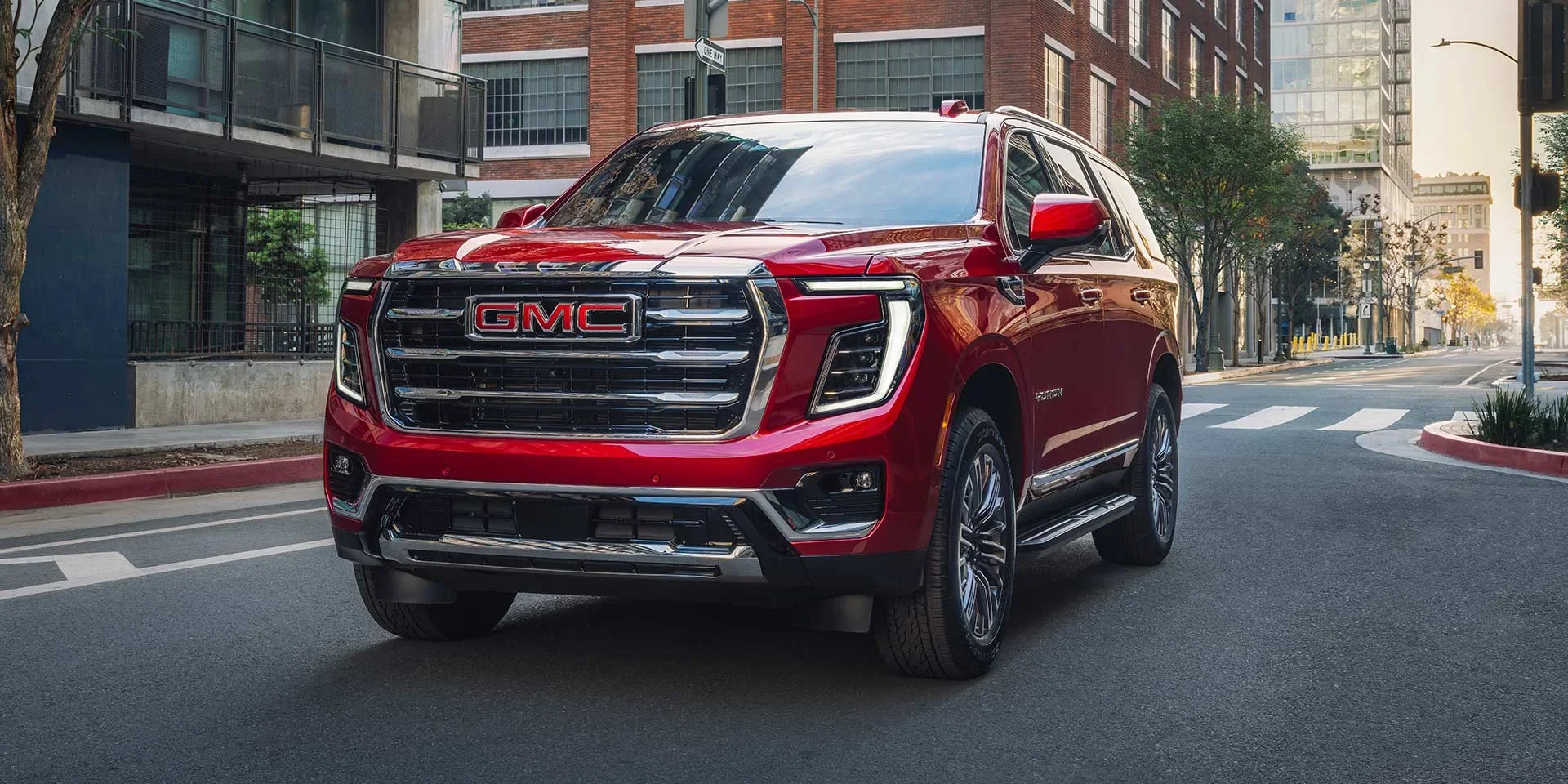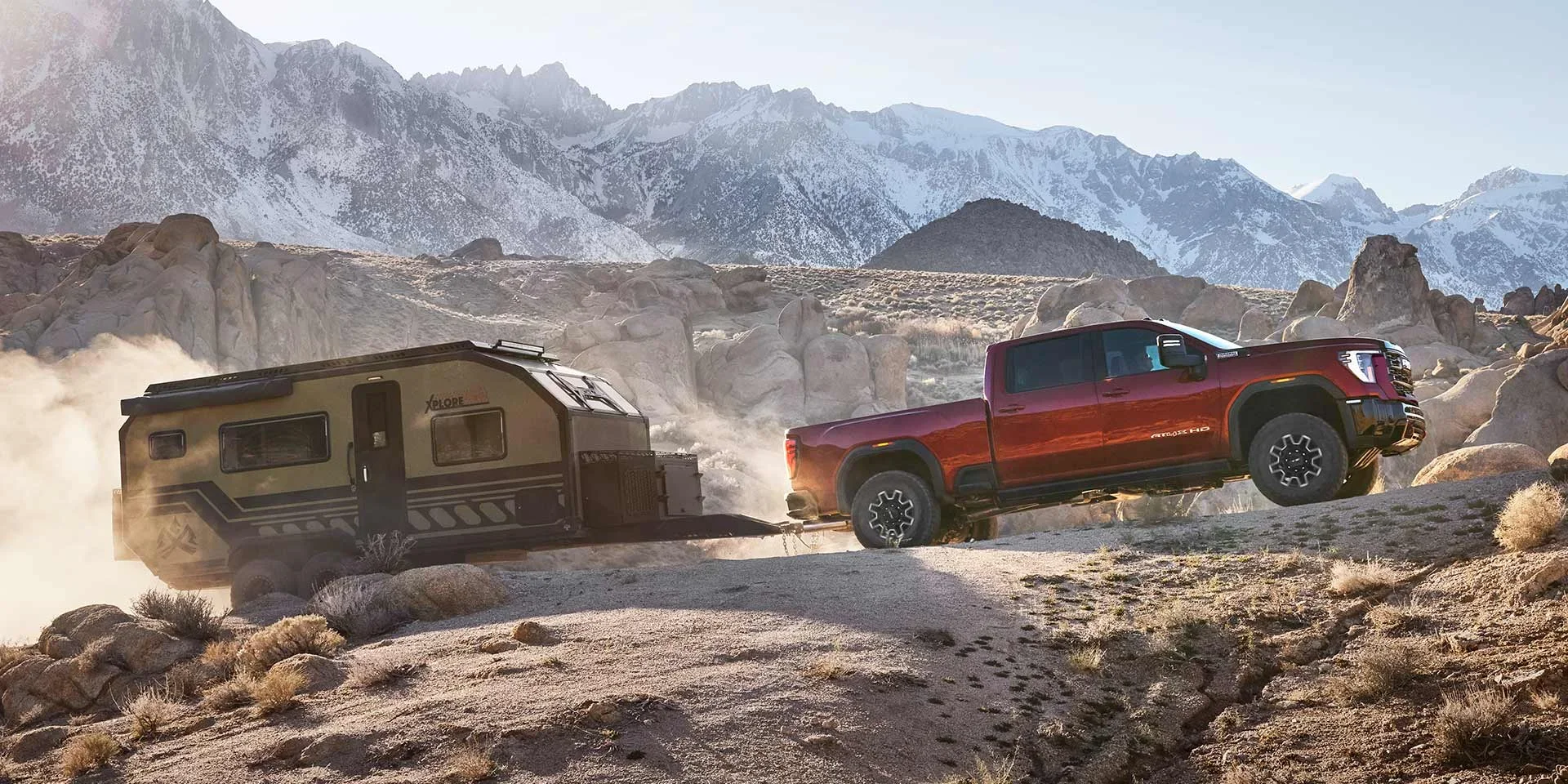



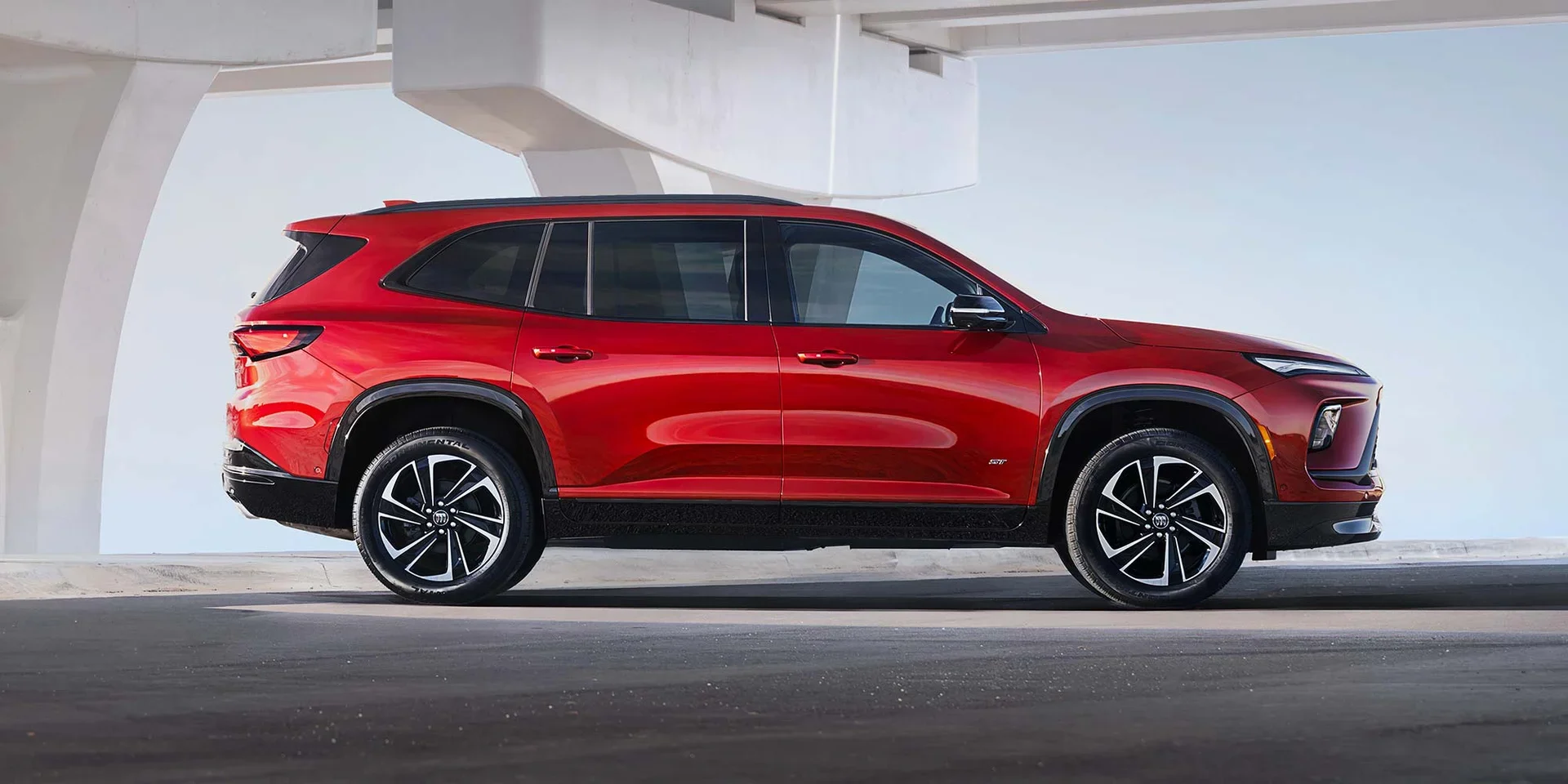
A vehicle payment should fit your real life, not just look manageable on a worksheet. Learning how to finance a vehicle means looking beyond the monthly payment to the loan term, interest rate, trade-in value, and how long you expect to keep the vehicle. A Sierra that works hard all week, an Acadia that handles school runs, or an Envision that makes the commute more comfortable can all be financed in different ways.
The right choice depends on your budget, credit profile, vehicle needs, and plans for the next several years. The goal is not to force every buyer into the same deal. It is to understand your options well enough to choose one you can feel good about.
Start With Your Full Vehicle Budget
Before comparing vehicles or loan offers, decide what ownership will realistically cost each month. Your payment is only one part of the picture. Insurance, fuel or charging, registration, maintenance, and expected driving habits deserve a place in the budget too.
Think about the role the vehicle will play at home. A GMC Canyon or Sierra may be the better fit for towing equipment, hauling materials, or getting around a jobsite. A Buick Encore GX, Envista, or GMC Terrain may better suit a daily commute and weekend errands. Larger families may lean toward an Enclave, Acadia, or Yukon for passenger room and cargo flexibility. Choosing a vehicle that fits the job helps prevent paying for capability you will rarely use, or needing to replace a vehicle too soon because it cannot keep up.
It also helps to separate what you can afford monthly from what you are comfortable financing overall. A longer term can lower the payment, but it can also mean paying interest for more time and building equity more slowly.
How to Finance a Vehicle Step by Step
A simple process can take much of the pressure out of financing. Start by reviewing your credit report for errors and making sure your contact information and account history are current. Credit is one factor lenders consider, but it is not the only one. Income, employment, existing debts, down payment, and the vehicle itself can all affect the available terms.
Next, consider getting preapproved through a bank or credit union, then compare that option with dealership financing. Preapproval gives you a useful baseline, not a requirement to finance elsewhere. A dealership finance team can review lender options and help you compare the full structure of each offer. The best option is not always the one with the lowest-looking payment. It is the one with terms that make sense for your financial situation.
When you are ready to choose a vehicle, keep the conversation focused on the complete deal: the vehicle amount being financed, annual percentage rate, loan length, down payment, trade value, and any optional products you choose. Ask questions until each line makes sense. A clear answer is part of a respectful buying experience.
Know What Changes Your Payment
Four moving parts shape most auto loans: the amount financed, your down payment or trade equity, the interest rate, and the term length. Changing any one of them can change the payment and the total amount paid over the loan.
A down payment reduces the amount you borrow. It can come from savings, a trade-in, or both. More money down may help lower the payment and can reduce the chance of owing more than the vehicle is worth early in the loan. Still, it is usually wise to keep an emergency cushion rather than use every available dollar at signing.
Your interest rate reflects lender criteria, including credit history and the loan details. Buyers with strong credit may qualify for more favorable terms, while shoppers rebuilding credit may have fewer choices. Either way, making payments on time matters. A manageable loan can support your financial progress; a stretched payment can make ordinary life harder.
The term is the number of months you have to repay the loan. Shorter terms generally mean higher monthly payments but less interest over time. Longer terms may create more breathing room in the monthly budget, which can be useful for some households. The trade-off is that you may remain in the loan longer, especially if you drive many miles or your vehicle depreciates quickly.
Decide Whether Leasing or Buying Fits Better
Buying with a traditional auto loan is often a good match for drivers who plan to keep their vehicle for years, drive significant miles, or want the freedom to customize it. Once the loan is paid off, you own the vehicle outright and can keep it, sell it, or trade it when the time is right.
Leasing can suit drivers who enjoy moving into a newer vehicle every few years and who have predictable annual mileage. Lease payments may be lower than payments on a comparable purchase, but leases have mileage limits and wear guidelines. At lease end, you typically return the vehicle, purchase it if that option is available, or begin another lease.
There is no universal winner. A family in Madison planning to keep an SUV through several seasons of carpools and road trips may prefer ownership. Someone whose needs may change soon, or who wants to experience newer technology in a Buick or GMC, may want to explore leasing. Review mileage expectations honestly before choosing.
Use Your Trade-In Carefully
A trade-in can simplify the transaction and help reduce the amount financed. Before visiting a dealership, gather both keys, service records, payoff information if there is an existing loan, and a clear sense of the vehicle's condition. Small details such as warning lights, tire condition, and accident history can affect value.
If you owe less than the trade is worth, the positive equity can go toward your next vehicle. If you owe more than it is worth, that is called negative equity. It can sometimes be rolled into a new loan, but doing so increases the amount financed. In many cases, waiting, making additional payments, or choosing a less expensive next vehicle may be the healthier path. It depends on your transportation needs and how much negative equity is involved.
New, Used, and Certified: Financing Differences to Consider
New vehicles may offer the latest safety features, technology, warranty coverage, and available manufacturer programs. For buyers interested in a Sierra EV or HUMMER EV, financing conversations may also include home charging plans, driving patterns, and any current incentives for which they may qualify. Availability and program terms can change, so ask for current details rather than relying on old information.
Used vehicles can be a strong value for shoppers who want a specific capability or prefer a lower amount financed. A well-kept pre-owned Yukon, Terrain, or Encore GX may provide the features your household needs without requiring a new-vehicle purchase. However, used-vehicle loan terms can differ based on age, mileage, condition, and lender guidelines.
Certified pre-owned vehicles can offer another middle ground, often pairing a newer used vehicle with added inspection standards and warranty coverage. Compare the vehicle history, condition, coverage, financing terms, and expected maintenance needs instead of assuming one category is automatically best.
Questions Worth Asking Before You Sign
Financing should never feel like a test you have to pass without seeing the answers. Before signing, ask for the annual percentage rate, total loan term, payment due date, and whether there is a prepayment penalty. Confirm how your trade payoff is handled if you have one, and review any optional protection products individually.
Optional products can be useful for certain drivers, but usefulness is personal. Consider how long you plan to own the vehicle, how much you drive, whether you have other coverage, and how the product changes the total cost. You should be able to say yes because it serves a purpose for you, not because you felt rushed.
At Bentley Buick GMC, the financing conversation is meant to be straightforward, with the same respect and care a family business would want for its own neighbors. Whether you are coming from Huntsville, Athens, Decatur, or a nearby North Alabama community, bring your questions, your trade details, and an honest budget. Then browse new or used inventory, apply for financing when you are ready, and choose the vehicle and terms that let you enjoy the drive without second-guessing the decision.
Frequently Asked Questions
Can I get pre-qualified before visiting Bentley Buick GMC?
Yes. Bentley Buick GMC offers an online pre-qualification option on its website, which can give you an idea of where you stand before you visit. Pre-qualification is not a final approval, and final terms depend on the lender, the vehicle, and your full application. It is a useful starting point for planning a budget.
What should I bring to finance a vehicle in Huntsville?
Bring a valid driver's license, proof of income such as recent pay stubs, proof of insurance, and proof of residence. If you are trading in a vehicle, bring its title or loan payoff information, both keys, and service records. Having these ready can make the financing conversation faster and clearer.
Should I use a credit union preapproval or dealership financing in North Alabama?
You do not have to choose before you shop. Many North Alabama buyers get a preapproval from a local bank or credit union, then let the dealership finance team see whether a lender can offer better terms. Compare the annual percentage rate, term, and total cost side by side, and choose the offer that fits your budget.
How do optional protection products affect my auto loan?
If you add a service contract or similar product and include it in the loan, it raises the amount financed and the total you repay. Some drivers find that coverage valuable and others do not. Ask what each product covers, how long it lasts, and its cost, then decide on each one separately.