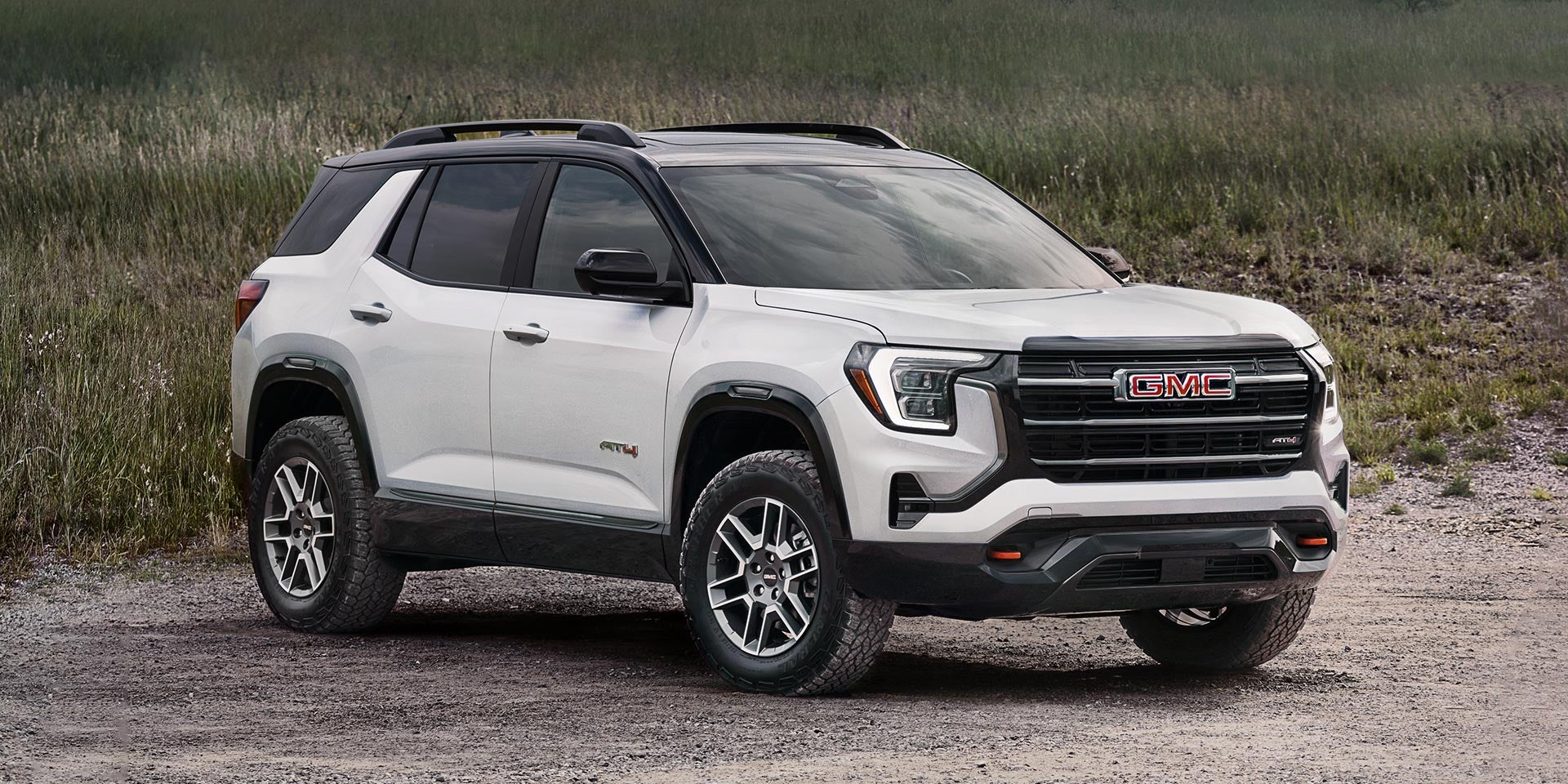



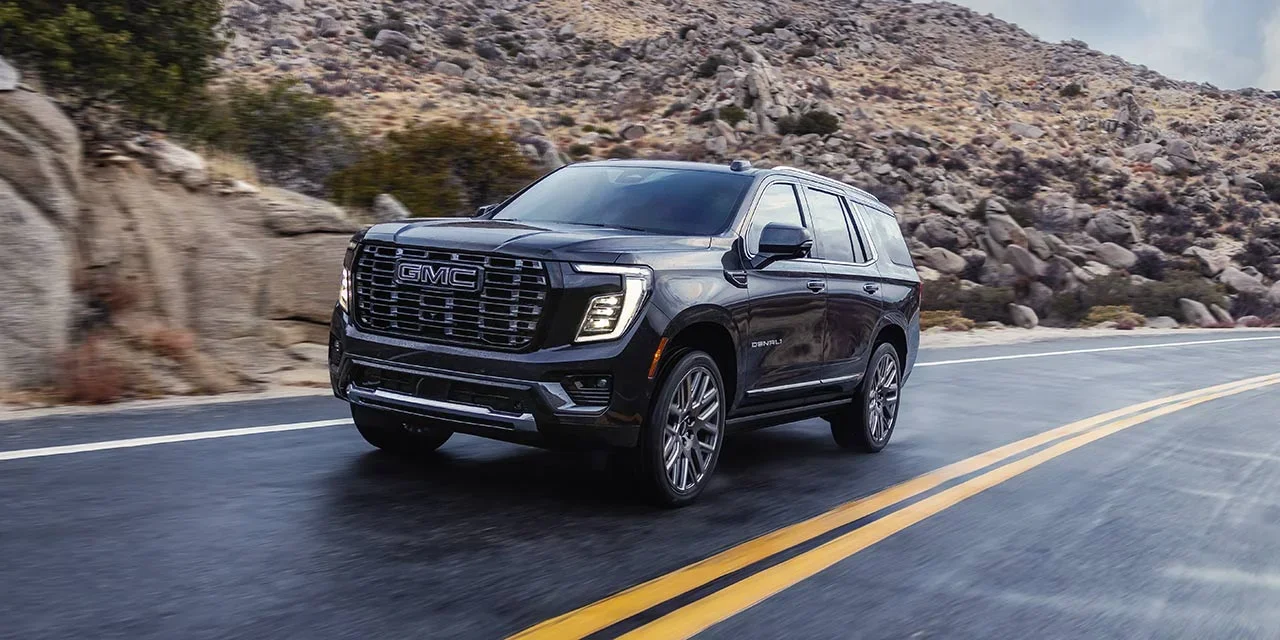
A full-size SUV earns its keep differently in North Alabama. One family may need a quiet ride for the school run in Madison, while another needs room for grandparents, ball gear, a boat, or a long weekend beyond Huntsville. In a Yukon vs Ford Expedition comparison, both deliver serious space and towing capability. The better fit comes down to how you want that capability to feel every day.
Start With What Your Family Actually Needs
The GMC Yukon and Ford Expedition are body-on-frame, three-row SUVs. That means both are built for shoppers who have outgrown a midsize crossover, want the confidence to tow, or regularly fill every seat. Both offer standard-length and extended-length versions: Yukon and Yukon XL, Expedition and Expedition MAX.
The real decision is not simply which one has the bigger spec sheet. It is whether you prefer GMC's available V8 power, diesel torque, and premium truck-based character, or Ford's turbocharged V6 performance and strong maximum towing potential.
For many families, the standard-length model is plenty. If your vehicle frequently carries seven or eight people and their luggage, the longer Yukon XL or Expedition MAX deserves a close look before you decide.
Yukon vs Ford Expedition: Power and Towing
Yukon Gives You More Engine Choices
The Yukon lineup stands out because it offers a choice of powertrains. Depending on trim and model year, shoppers can find a 5.3L V8, a 6.2L V8, or an available 3.0L Duramax turbo-diesel. The gas V8s have the familiar, confident response many truck and SUV owners appreciate, especially when pulling away with a loaded cabin or trailer.
The available Duramax diesel is a different kind of answer. Its strong low-end torque is well suited to towing, highway passing, and drivers who rack up miles between Huntsville, Decatur, Athens, and beyond. It is worth considering if relaxed highway cruising and towing confidence matter more than a sporty exhaust note.
The Ford Expedition uses a twin-turbocharged 3.5L EcoBoost V6. It provides strong torque and quick acceleration, and certain versions are tuned for even more output. Ford's engine delivers its power smoothly and can feel especially eager when merging onto the interstate.
Neither approach is automatically better. A Yukon V8 may feel more natural to a driver moving from a Sierra or another traditional truck-based SUV. The Expedition's turbo V6 may appeal to someone who values brisk response from lower engine speeds. A proper test drive matters here, because these SUVs have different personalities even when their capability overlaps.
Towing Depends on the Exact Build
When properly equipped, both SUVs can handle boats, campers, utility trailers, and many recreational trailers. The Expedition can reach a higher maximum tow rating, with properly equipped versions rated up to 9,600 pounds. Properly equipped Yukon models can tow up to 8,400 pounds.
Those headline figures do not tell the whole story. Your real tow rating depends on drivetrain, wheelbase, engine, towing package, passenger load, cargo, and trailer equipment. A family of six with a packed cargo area changes the equation. So does the tongue weight of the trailer.
For regular towing, look beyond the maximum number. Ask how the SUV feels at speed, whether it has the towing technology you want, and how much payload remains after everyone climbs aboard. At Bentley Buick GMC, our team can help match a Yukon configuration to the trailer and family load you actually plan to carry.
Passenger Room and Cargo Space
Both SUVs offer three rows, and both are available with seating for up to eight in certain configurations. The Expedition has a notably roomy third row, making it a strong option for older kids and adults who get relegated to the back. The Yukon's third row is also practical, particularly for typical family use, and the longer Yukon XL adds meaningful room behind it.
Cargo capacity is where the extended models separate themselves from most crossovers. The Yukon XL offers up to 144.5 cubic feet of maximum cargo volume, while the Expedition MAX offers up to 123.1 cubic feet. Those numbers matter when you need to bring coolers, folding chairs, luggage, sports equipment, and people without turning every trip into a game of cargo Tetris.
The standard Yukon also offers generous maximum cargo room, at up to 122.8 cubic feet, while the standard Expedition provides less. Measurements can vary by seating layout and trim, but the simple takeaway is clear: choose the long-wheelbase version if third-row passengers and luggage often travel together.
One trade-off is parking. The XL and MAX are long vehicles, and that extra length is noticeable in older parking lots, garages, and tight drive-through lanes. If you only use the third row occasionally, a standard Yukon or Expedition may be easier to live with.
Everyday Comfort and Technology
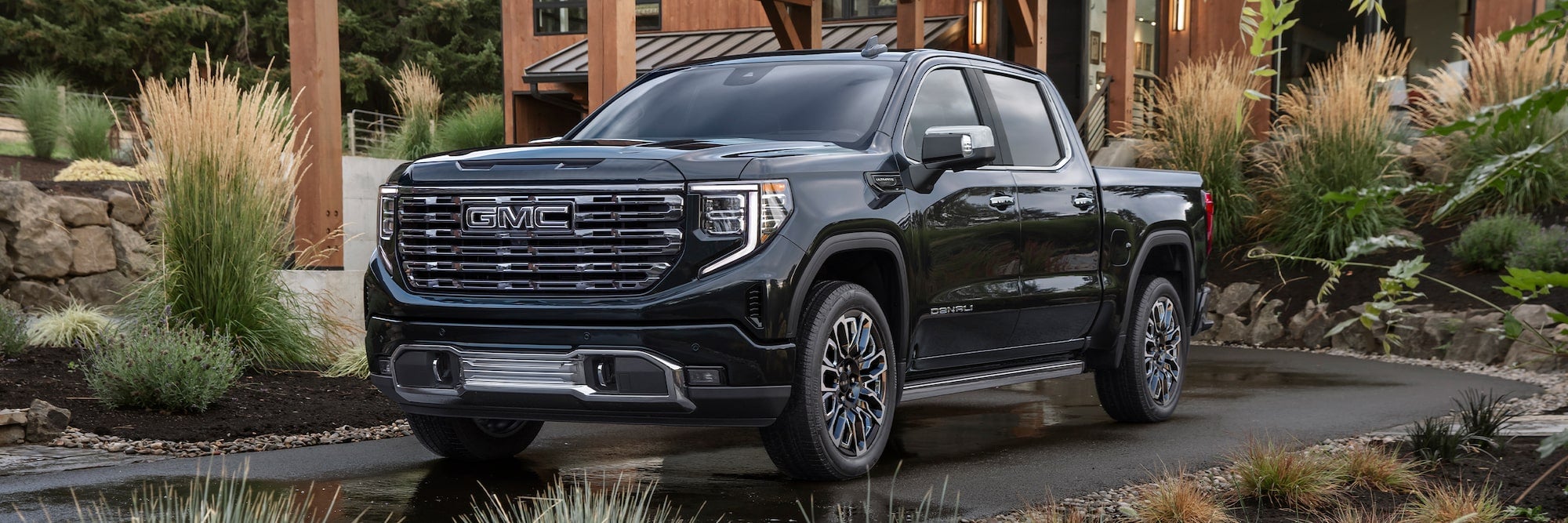
The Yukon leans into a polished, premium cabin experience, particularly in higher trims. Available features include upscale materials, large infotainment displays, premium audio, heated and ventilated seating, and advanced driver-assistance technology. Available Magnetic Ride Control and Adaptive Air Ride Suspension can also make a real difference on uneven pavement, helping the Yukon feel composed without losing its truck-ready character.
The Expedition has its own strong technology story, with a modern digital cabin, large available screens, available hands-free highway driving assistance on compatible roads, and thoughtful family-friendly storage. Its independent rear suspension contributes to a comfortable ride and helps create useful third-row space.
Try the features you will use every day rather than getting distracted by a long equipment list. Parents may care most about easy third-row access, USB ports, cupholders, and rear climate controls. Frequent travelers may prioritize seat comfort, navigation, camera views, and highway driving assistance. If you tow, trailer camera and guidance features can be worth more than an extra decorative trim detail.
Trim Personality and Off-Road Confidence
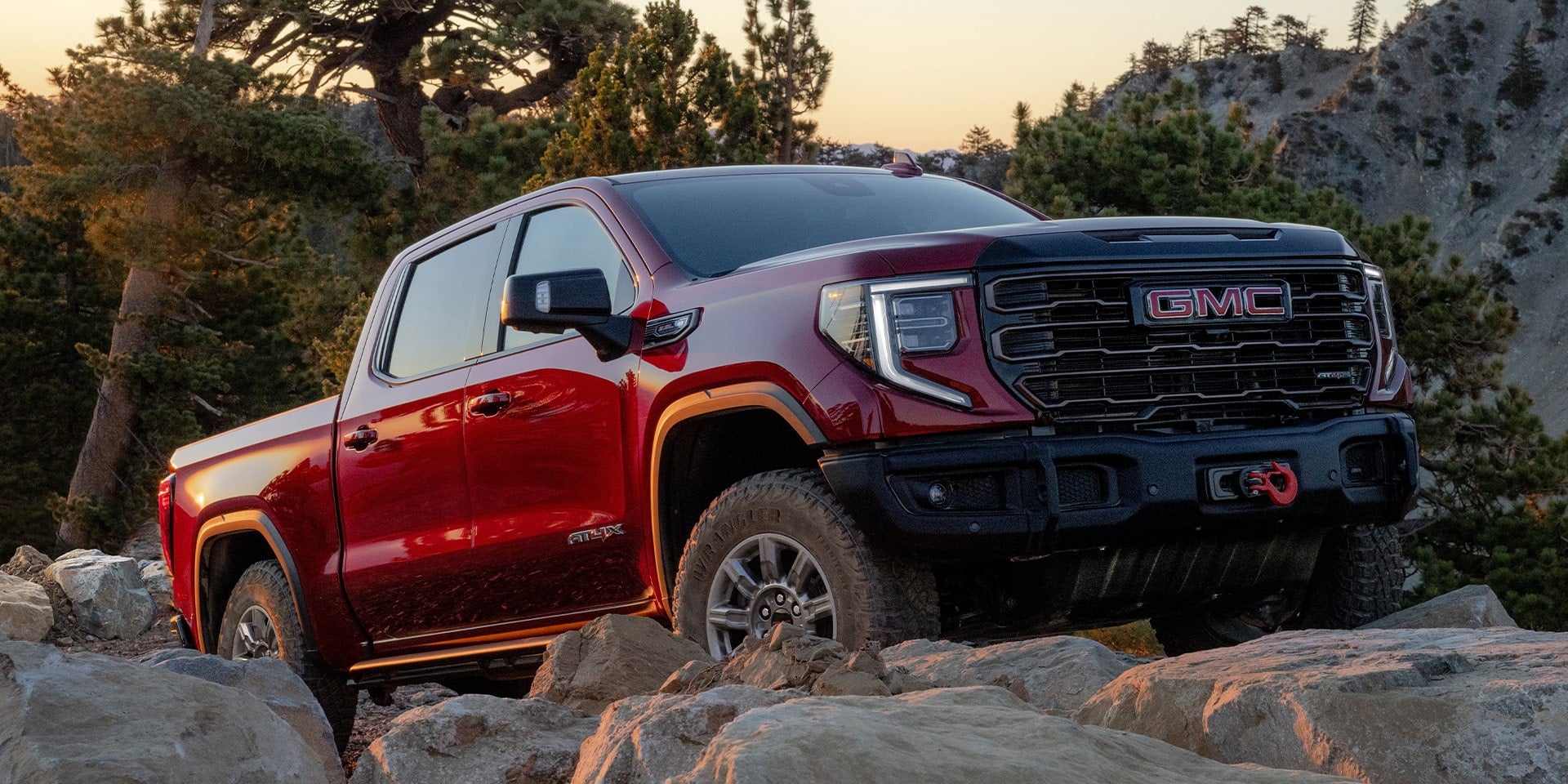
The Yukon range gives shoppers several distinct personalities. The AT4 is aimed at drivers who want an adventurous look and meaningful all-terrain capability, while Denali and Denali Ultimate trims focus on premium appointments. The Yukon is especially compelling for shoppers who want one SUV to handle family duty, towing, and the occasional rough road to a campsite, hunting property, or lake access point.
Ford answers with its own off-road-oriented Expedition Tremor, plus upscale versions that emphasize luxury and performance. The Expedition is not short on capability, but it approaches the segment with a different design and powertrain philosophy.
If off-pavement use is part of your life, compare more than tires and badging. Look at ground clearance, drive modes, underbody protection, four-wheel-drive hardware, approach angles, and how comfortably the vehicle handles pavement the other 95 percent of the time.
Which Full-Size SUV Makes More Sense?
Choose the Yukon if you want available V8 or diesel power, the largest available cargo capacity in the Yukon XL, and a premium truck-SUV feel that can be tailored toward off-road use or near-luxury comfort. It is a particularly natural fit for GMC owners who value towing confidence and familiar, substantial road manners.
Choose the Expedition if its spacious third row, turbocharged V6 response, higher maximum towing capability, or available Ford technology best aligns with your priorities. It can be an excellent family hauler for buyers who value its specific seating layout and driving character.
There is no need to make this decision from a brochure alone. Bring the car seats, measure the garage if needed, and sit in the third row before you buy. If the Yukon feels like the right next vehicle for your family, visit Bentley Buick GMC to compare available new and used options, discuss financing, and take a test drive that reflects the roads and responsibilities you handle every week.
Frequently Asked Questions
Is a GMC Yukon a good choice for towing a boat to Lake Guntersville or Wheeler Lake?
It can be, when it is properly equipped for the boat and trailer you own. Start with the loaded trailer weight and tongue weight, then add passengers and gear. Four-wheel drive can help on wet or steep boat ramps. The Bentley Buick GMC team can help you check the trailering equipment and rating on a specific Yukon before you buy.
Should I choose four-wheel drive on a Yukon in North Alabama?
Two-wheel drive handles most paved driving around Huntsville and Madison. Four-wheel drive adds traction for the occasional ice event, heavy summer storms, gravel roads, hunting land, and slick boat ramps. If you tow often or leave the pavement, it is usually worth a close look. If you mostly commute on I-565, two-wheel drive may cover your needs.
How does hot Alabama weather affect towing with a full-size SUV?
Long summer pulls put extra heat on the engine, transmission, brakes, and tires. Check tire pressure before you leave, keep fluids and cooling system service current, and avoid overloading. Plan stops on long trips with a trailer. Following the trailering guidance in your owner's manual and keeping up with factory maintenance helps a Yukon stay ready for hot summer weekends.
Is a used GMC Yukon a smart alternative to a new one?
A used Yukon can deliver full-size room and towing ability for a lower amount financed. Look closely at service records, tire and brake condition, the towing equipment it actually has, and how the third row and seats operate. Compare it with a new Yukon on features you will use every week, then decide which one fits your budget and plans.